Apple jumps 40% on foldable orders
Supply chain data shows Apple raising production targets for its new folding smartphone after initial sales overwhelmed logistics.
By Nicholas Martin ·
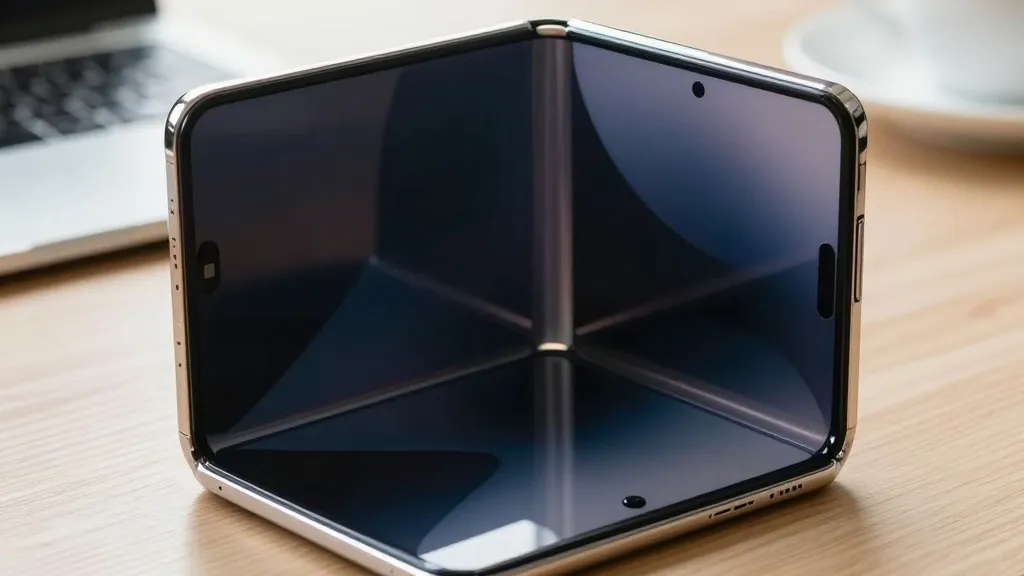
The smartphone industry has long anticipated a major shift in form factors, and Apple's latest entry into that space is testing the limits of global logistics networks.
New supply chain reports indicate that Apple has increased production orders for the iPhone Duo by more than 40 percent. This significant ramp-up is a direct response to what the company labeled as extraordinary pre-order demand. The move suggests that initial fears of a supply bottleneck were well founded.
When pre-orders opened on Friday, customers quickly noticed changes to their estimated delivery windows. Many were shown dates extending into late January, causing immediate confusion in the market. It was unclear at first whether these delays stemmed from high consumer interest or a lack of available hardware. However, the latest data points clearly toward the former. Apple attributed the delays to the unprecedented volume of orders for its first folding device, a description it has used in previous launches. To manage the rush, the company also capped individual purchases at two units to reduce the impact of scalping.
As expected in such high-volume launches, some early buyers have since received updated estimates that promise earlier shipping dates. This adjustment aligns with reports from DigiTimes, which cite supply chain sources indicating that Apple is actively accelerating manufacturing. The company is not just reacting to the initial spike but is preparing for sustained interest over the coming year.
The numbers behind this push are substantial. Apple has raised its shipment targets for the first twelve months from 9.7 million units to 14 million. This upward revision reflects the company's confidence that strong demand will persist well beyond the initial launch window. Such a volume is significant for a new product line, particularly one that requires new manufacturing processes.
Early adopters are navigating a transitional period while the software ecosystem catches up to the hardware. Third-party applications are not yet fully optimized for the new device's unique screen layout. Apple states that this situation is improving rapidly as developers update their software. Initial reviews based on a week of usage have been consistent, identifying app support as one of the five key areas of focus for the new phone.
The hardware choices have also sparked discussion among users. The decision to use Touch ID rather than the company's more advanced facial recognition system was a notable point in early feedback. However, reports released today suggest that Apple is already testing prototypes for the iPhone Duo 2 that include Face ID. This indicates that the company is gathering user feedback to refine the next iteration of the device.
The stakes for this launch are high as Apple attempts to establish a foothold in the folding phone market. By aggressively scaling up production, the company is signaling its intent to compete on availability as much as on technology. For consumers, the increased output may mean shorter wait times in the coming weeks. For the industry, it confirms that the demand for larger, foldable displays is no longer a niche trend but a mainstream expectation.
Source: 9to5Mac · original report published