Gaza Ministry Counts 54,468 Orphans as Aunts Rotate Care
With no stable housing, families in central Gaza split the cost of feeding and clothing children who lost parents in recent strikes.
By Kaito Shevchenko ·
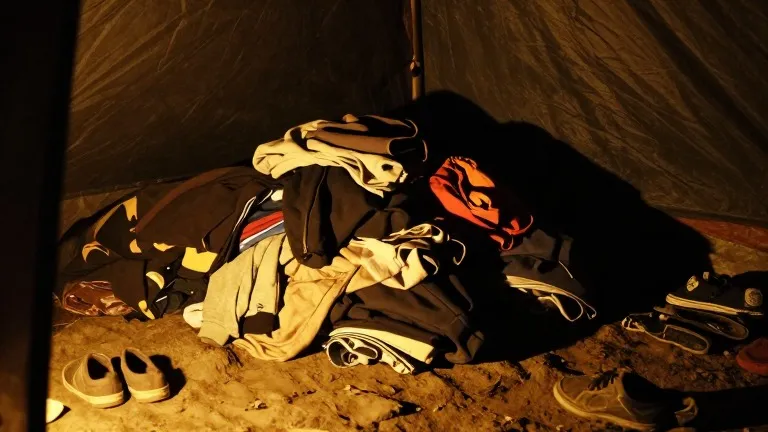
54,468 children in the Gaza Strip have lost one or both parents since October 2023, according to the Palestinian Ministry of Social Development. The registry tracks these minors, many of whom now rely on a network of widowed relatives for basic survival.
The ministry states that at least 64,000 widows and 71,000 orphaned children currently reside across the territory. This total includes those bereaved in earlier Israeli military operations. The data reveals that approximately 3,000 children lack any registered guardian or caregiver, leaving them without a legal point of contact.
In Deir al-Balah, three siblings named Mariam, Aya, and Jebril illustrate the strain on these extended families. The Abu Asser children lost their father during the 2014 offensive. Their mother, Islam, died in an air strike on 29 October 2025, nineteen days after a ceasefire took effect. The siblings now rotate between their aunts, spending two nights at each home.
Warda al-Muzeini, their aunt, lost her own husband in an air strike and now supports four children alone without a steady income. She and her widowed sister divide the responsibilities of raising the orphans. One sister buys pajamas, another provides slippers, and the third offers pocket money for a few days. Al-Muzeini said Jebril was injured when the bomb killed his mother, noting he saw her die in front of him.
Aziza al-Kahlout, a ministry spokesperson, described the loss of both parents as a loss of safety and education. She warned of growing risks of child labor, school dropout, and early marriage driven by poverty and displacement. Al-Kahlout said orphaned children face these pressures as economic conditions worsen and shelter remains scarce.
Wafaa al-Attar, now 13, lost her entire family in an air strike on 22 February 2024. The blast killed her father, mother, and four siblings in their home in Deir al-Balah. Al-Attar survived with minor shrapnel injuries. She later moved in with her uncle and his wife, where she remains living with her newborn cousin.
Al-Attar said she spent months wishing she had been in the house when it was destroyed. Her uncle's wife reminded her that her father would want her to stay strong. Al-Attar acknowledged that while she is safe, no one can replace her own family.
Source: Middle East Eye