Nvidia CEO's Viral Duck Demo Ignites a Holiday Toy Rush
A lighthearted demonstration of robotic ducks during a major tech conference has driven preorders past twenty thousand units ahead of the holidays.
By Nicholas Martin ·
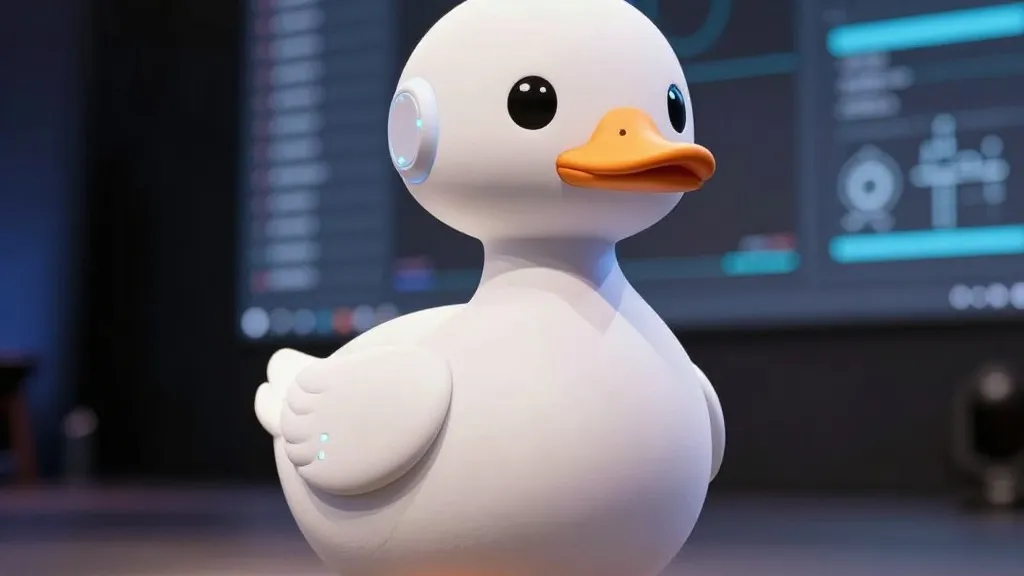
The image of a tech titan crouching on a stage to pet a robotic duck has captured the public imagination in a way that few other industry moments have managed this year.
During his keynote address at the GTC Berlin conference earlier this week, Nvidia Chief Executive Officer Jensen Huang took a moment to interact with a group of small, waddling robots known as Microducks. The video of the interaction quickly spread across social media platforms, showing the devices stomping their feet and emitting sounds reminiscent of classic science fiction droids. The robots demonstrated a range of behaviors, including sitting, performing somersaults on voice commands, and even falling over to simulate a nap. The charm of the demonstration was immediate and widespread, leading to a surge in consumer interest.
The commercial impact of the viral moment was measurable within twenty-four hours. Clem Delangue, the head of Hugging Face, confirmed via social media that preorders for the Microducks had exceeded twenty thousand units by the day following the keynote. Given the current timing, these devices are expected to arrive in time for the Christmas holiday season. Delangue suggested that the robots could become the best-selling robotic toys of the year, noting that promotional materials feature adults engaging with the devices as much as children. This suggests the product may appeal to a broader demographic than typical holiday gifts for kids.
The Microducks are the product of Pollen Robotics, a company that was acquired by Hugging Face in 2025. Following Nvidia's acquisition of Hugging Face in September, the robotic duck project now falls under the umbrella of the GPU giant. This is not the first robot from the Hugging Face portfolio, as the company previously released the Reachy Mini, which also gained attention for its design. The integration of these smaller robotics projects into Nvidia's ecosystem highlights the company's expanding influence beyond traditional computing hardware into the realm of consumer-facing artificial intelligence devices.
From a technical standpoint, the Microducks are open source devices. They were trained using Nvidia's technology stack, which involved running simulations to teach them basic movements such as walking, sitting, and standing. These pre-programmed tricks are included when the devices ship to customers. However, the open nature of the platform allows owners to teach their specific units new behaviors. Pollen Robotics encourages users to share these custom trained tricks with the wider community, fostering a collaborative environment around the hardware.
The arrival of these cute robots offers a contrast to the recent narrative in the artificial intelligence sector. Earlier this week, the industry faced significant criticism as AI involvement was linked to a series of high-profile cyberattacks. That darker storyline had dominated headlines, leaving many with a sense of unease about the rapid deployment of these technologies. The Microduck demonstration serves as a palate cleanser, reminding observers that the same underlying technology can be playful and accessible rather than solely complex or intimidating.
The reaction to the video has been overwhelmingly positive, with many viewers admitting that the clip made it difficult to resist ordering one for themselves. The combination of high-profile endorsement from a major CEO and the inherent appeal of a cute, interactive pet has created a compelling product story. As the holiday season approaches, retailers and tech enthusiasts alike are watching to see if this viral moment translates into sustained sales.
Looking ahead, the success of the Microducks could signal a shift in how consumers interact with AI hardware. If the units sell well, it may pave the way for more consumer-focused robotic devices that prioritize user experience and cuteness over raw computational power. The next few weeks will be critical as the first shipments begin to arrive. If the hype holds, these little ducks may well end up as one of the most talked-about gifts under the tree this year, bridging the gap between serious AI research and everyday fun.
Source: TechCrunch · original report published