NYC Family Shelters Add Mental Health Staff, With Early Signs of Progress
Nearly two years after a City Council mandate, about three-quarters of the city's family shelters with children have a mental health professional on site, though providers say hiring and retention remain hurdles.
By Jacob Leary ·
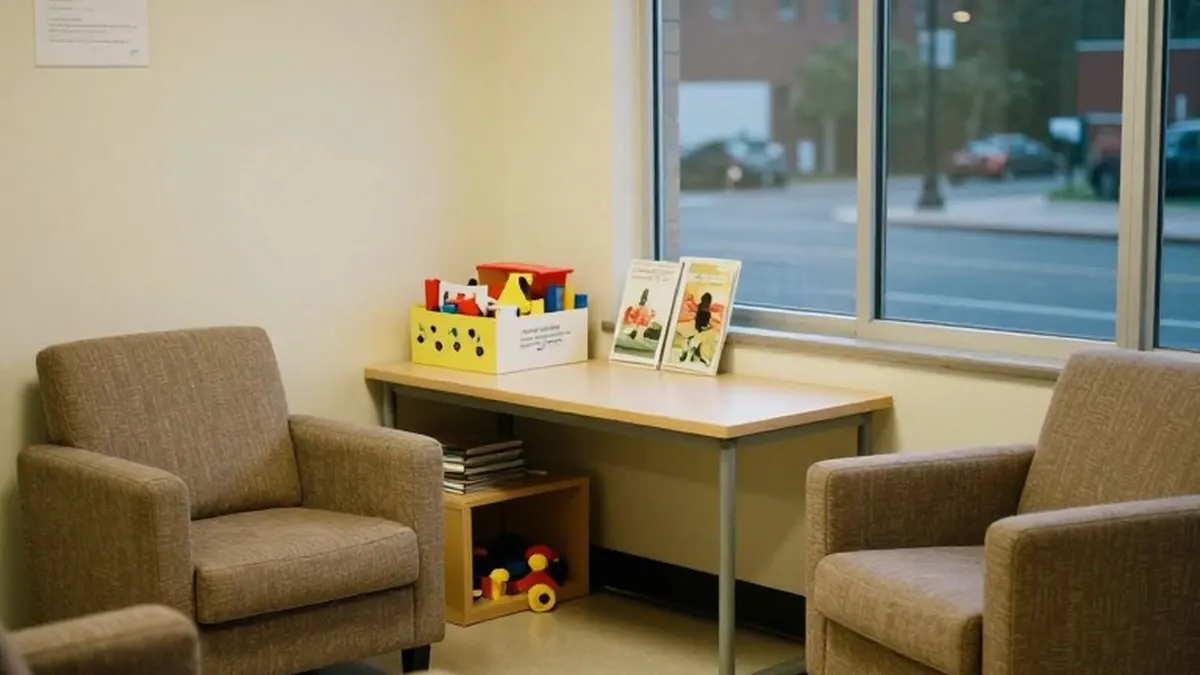
Nearly two years after the New York City Council required family shelters to expand mental health services, most facilities now have at least one social worker on site, according to the city's Department of Homeless Services.
As of April, about three-quarters of the city's 131 shelters housing children each had a mental health professional on staff. Among the 30 largest shelters, 83% did. The 131 family shelters house more than 38,000 people, over half of them children.
The law, passed in 2023, calls for one full-time mental health professional for every 50 families in each family shelter. The 30 highest-volume shelters were expected to meet that standard last July, and all other shelters have until the end of this month. As of last October, the most recent data in the city's annual compliance report, the largest shelters averaged one social worker for every 78 families.
Shelter providers say the stakes are high. Many parents in family shelters, which often serve households that became homeless through domestic violence or eviction, struggle with depression, anxiety and trauma. Christine Quinn, president and CEO of WIN, the largest provider of shelter for families with children in the country, said childhood homelessness is the biggest factor in adult homelessness. "So to deal with the mental health effects of homelessness on children is one of the most important things we can do to prevent homelessness in a second generation," she said.
DHS spokesperson Nicholas Jacobelli said the city is helping providers comply through staff training, recruitment support and flexibility in their city-funded budgets so they can hire mental health workers. He said early results are promising: at the 30 largest shelters, referrals to outside mental health services more than doubled and serious psychiatric incidents fell 67% over the past year.
Manhattan Councilmember Erik Bottcher, who sponsored the law, called the numbers progress, noting that not long ago most shelters had little to no on-site services. "We'll get there," he said. He tied the effort to mental illness seen on the city's streets and subways, arguing that such cases are preventable if people are diagnosed and treated at a younger age.
Providers, however, say they are struggling to hire and keep staff. Marjorie Jeannot, vice president of family shelters at BronxWorks, said all four of its family shelters had a social worker before the law took effect, but maintaining the required ratio has been difficult. BronxWorks helps early-career social workers earn their licenses, yet hospitals and schools often hire them away by paying about $20,000 more. "It's not healthy for our population because it's a revolving door," Jeannot said.
Licensing matters beyond staffing numbers. A licensed social worker, under the supervision of a licensed clinical social worker, can perform the psychiatric evaluations that help families move more quickly into supportive housing programs, which provide permanent housing and services.
Quinn said she is encouraged but wants the city to provide funds to hire the staff shelters really need. She would like every shelter to have a social worker with clinical experience, along with a social worker or psychologist trained in trauma-informed care. Most social workers now screen families, refer them to other providers or connect them with telehealth services from NYC Health and Hospitals.
The push comes as the number of asylum-seekers in city shelters falls, while the number of non-migrant shelter residents rose 12% last year.
Source: Gothamist
More News · New York news · Report a business · Got a Story?