The Midday Ritual: Spain's Daily Set Lunch Under Pressure
The traditional Spanish set-price lunch is facing financial and cultural headwinds, prompting new questions about its long-term survival in modern cities.
By Kaito Shevchenko ·
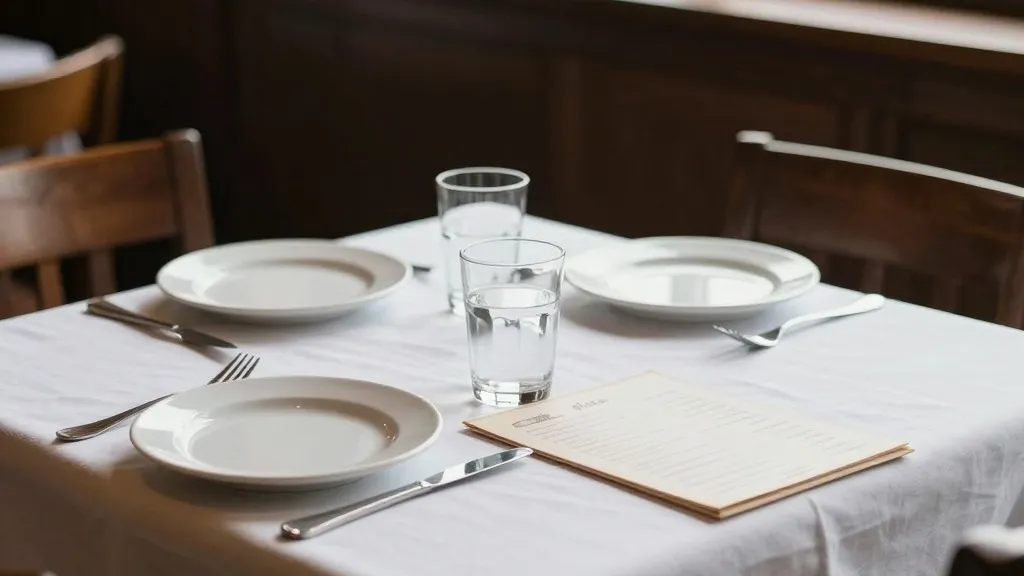
The very institution that defines the Spanish workday is currently grappling with a serious identity crisis. For decades, the menú del día has served as the culinary backbone of the nation, yet a growing chorus of voices suggests this midday tradition is slowly eroding. The tension lies between a deeply rooted cultural habit and the economic realities of the modern restaurant industry, forcing a reexamination of how millions of Spaniards eat.
Financial pressures are at the forefront of this shift. The average cost of these meals has climbed to 14.70 euros, a significant jump from the fixed price ranges of the 1960s. This increase is squeezing small, family-run establishments that struggle to maintain daily rotating menus. Consequently, many owners have simplified their offerings to a single dish of the day. Some have also integrated Latin American ingredients to cater to the country's increasingly diverse population, a change that traditionalists view with mixed feelings.
The decline in patronage is also driven by changing lifestyles. With many workers pressed for time, the thirty-minute sit-down lunch is being replaced by quicker alternatives. It is now common for employees to bring packed meals from home or rely on microwaveable options from supermarkets. This behavioral shift has reduced the steady stream of customers that these restaurants once counted on, creating a volatile environment for independent eaters.
The origins of this tradition are often misunderstood by the public. Research by food journalist Lakshmi Aguirre reveals that the menú was not a spontaneous cultural evolution but a deliberate political tool. Created in the mid-1960s by Manuel Fraga, the tourism minister under Francisco Franco, it was designed to showcase abundance to foreign visitors after a period of scarcity. The initial regulations were strict, mandating specific components like a soup starter, a main course, and a dessert, alongside a fixed price in pesetas to ensure affordability.
Aguirre notes that many Spaniards are surprised to learn of its political roots, indicating a general lack of awareness about the menu's history. She argues that the practice has always mirrored societal changes, and nostalgia for the format is rising as it becomes less common. For her, the loss of the daily set lunch is not just about food. It represents the disappearance of a social hub where families of modest means could dine out and individuals living alone could find temporary community.
The outlook remains uncertain. While the format has adapted by changing its menu items, the fundamental challenge is time and cost. Aguirre suggests that the true value of the menú lies in the time it affords diners, a luxury that is increasingly rare in the fast-paced modern economy. Whether the tradition can survive these competing pressures will depend on whether restaurants can maintain quality while keeping prices accessible enough to justify the daily commitment.
Source: The Guardian
More Culture · World news · Report a business · Got a Story?