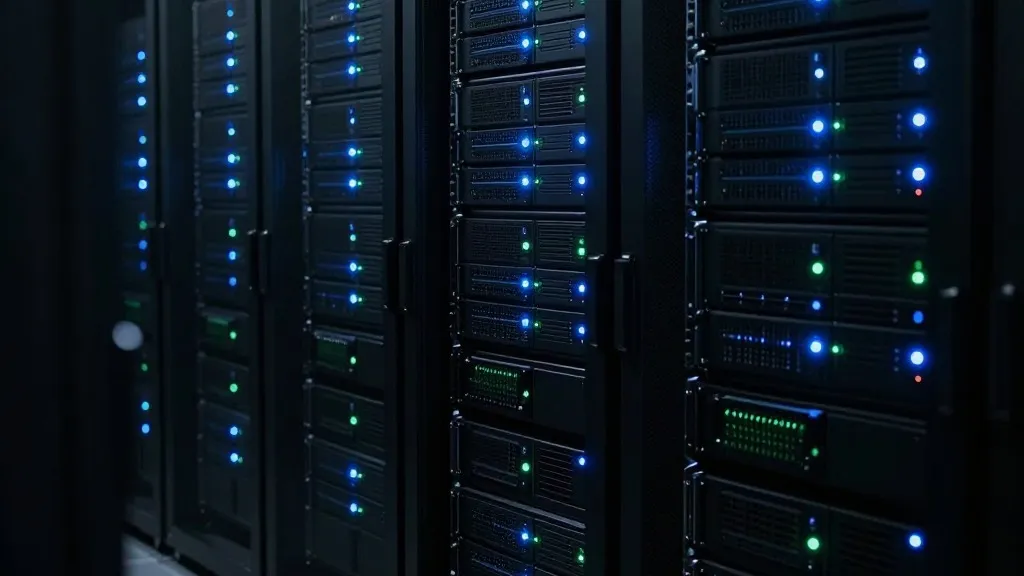
Trump orders AI hubs to share energy profits
The President demands hyperscalers return excess power and financial dividends to local residents to mitigate rising utility bills and community backlash.
By Kaito Shevchenko ·
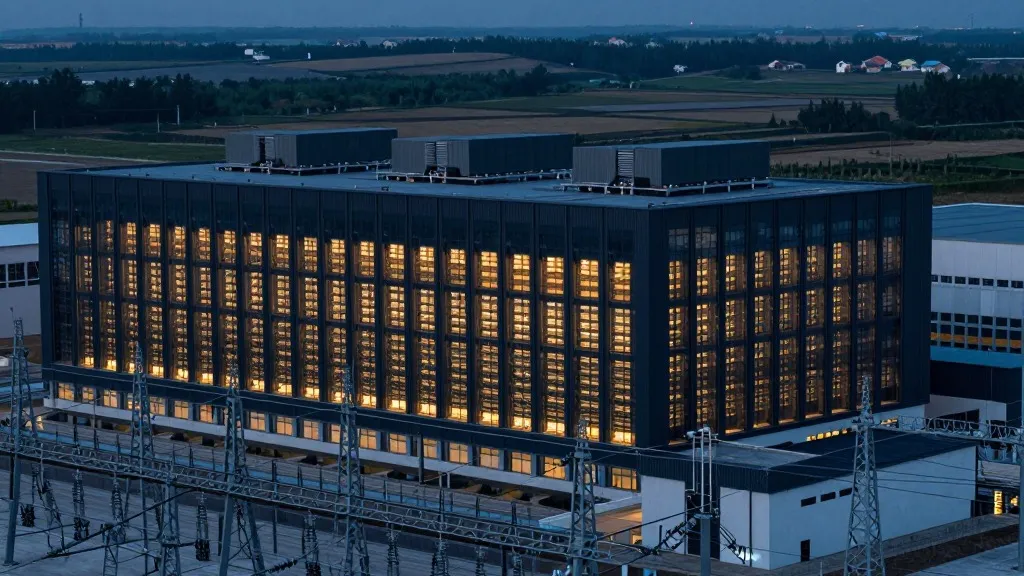
President Donald Trump has issued a direct directive to AI hyperscalers and data center developers, demanding they provide financial dividends and excess energy to the local communities hosting their facilities. In a post on Truth Social on Tuesday, the President outlined a new strategy intended to make large-scale artificial intelligence infrastructure more acceptable to residents. The administration argues that by forcing these companies to give back, the burden of rising electricity costs can be alleviated or even reversed, turning a source of local resentment into a net benefit for the surrounding area.
The core of the proposal is that data centers must not only generate their own electricity, a requirement the administration has previously pushed, but also sell or give away any surplus power to the local grid. This move is designed to address the specific pain point of increasing utility rates that have plagued towns hosting these massive computing facilities. The President emphasized that this financial arrangement is key to overcoming local opposition, stating, "Data Centers that were highly unpopular in a certain area have become extremely popular when a financial deal is struck." He concluded his post with a forceful call to action: "MAKE DEALS, and get them built!!!"
This announcement comes as communities across the United States grow increasingly vocal in their protests against the rapid expansion of AI data centers. Residents in small towns have cited several major grievances, including significant spikes in electricity costs, persistent noise pollution, and strains on local water supplies. Additional concerns include air pollution, deforestation, and the general ecological impact of these industrial-scale operations. By mandating a "dividend" in the form of energy or cash, the Trump administration seeks to win back favor with these populations while maintaining its aggressive push to stay ahead of China in the global AI race.
The administration has previously ordered these companies to be self-sufficient in their power generation to avoid drawing on the general grid. Under the new framework, the excess electricity generated by these on-site sources would be directed back to local households. This approach aligns with a recently passed act requiring data centers to cover the costs of necessary grid upgrades, ensuring that local taxpayers are not burdened by the infrastructure improvements demanded by these facilities. The goal is to create a closed-loop system where the presence of the data center actively subsidizes the local energy economy rather than draining it.
However, significant questions remain regarding the practical implementation of this mandate. Critics note that the term "dividend" is typically reserved for profitable enterprises, yet many new data center projects are still in the construction phase and have yet to recoup their initial capital expenditures. It is unclear how companies will structure these payments while still managing their own operational costs and debt. Furthermore, the short-term power generation methods being installed at many sites rely heavily on gas-powered generators, which are often noisy and less efficient than conventional power plants. This raises the question of whether the "excess energy" provided to locals will be a genuine improvement over the standard grid supply, particularly for those living in close proximity to the facilities.
There are also concerns that the financial incentive may not address the full scope of community complaints. While rising electricity bills are a primary issue, they are only one facet of a broader set of challenges. Enormous water consumption, ecological damage, and pollution remain significant hurdles that a financial dividend may not solve. For many residents, the physical and environmental footprint of the data centers is a hard sell, regardless of the monetary benefits. The administration’s strategy relies on the idea that economic gain will outweigh these other concerns, but whether this trade-off will be acceptable to local populations is yet to be determined.
The mandate also intersects with the administration’s broader goal of accelerating data center construction. By framing the payment of dividends as a prerequisite for popularity, the White House is attempting to fast-track projects that might otherwise face prolonged legal or political battles. The President’s insistence on making deals suggests a desire to move beyond theoretical debates and into concrete agreements that result in physical infrastructure. This approach mirrors his administration’s broader tactics in other sectors, using executive pressure to drive rapid implementation of its technological and industrial agenda.
As the details of this mandate begin to trickle down to state and local levels, the next few months will reveal how seriously companies take the call to action. Whether the "dividends" will be substantial enough to win over skeptical communities, or if they will be viewed as a token gesture, remains an open question. The administration is betting that the right financial structure can transform the narrative around AI infrastructure, but the success of this plan will ultimately depend on the willingness of hyperscalers to share their energy surplus and the ability of local governments to translate that surplus into tangible savings for their residents.
Source: Tom's Hardware · original report published