90% of Washingtons in U.S. Census Were Black, Driven by Post-Civil War Choices
Newly freed Black Americans often selected surnames like Washington, Freeman, or their enslavers' names, creating distinct demographic patterns that persist in federal records today.
By Nicholas Martin ·
Federal census data reveals a distinct demographic pattern in American surnames, particularly regarding the name Washington. According to figures from the 2000 U.S. Census, 163,036 people identified with that surname, and approximately 90 percent of them were African American.
The high concentration of that name among Black Americans stems from decisions made during and after the Civil War. When emancipation granted formerly enslaved people the legal right to choose their names, many selected surnames that reflected their new status or connected them to national figures. Others chose names like Freeman, Freedman, or Washington to assert their independence.
Historian Henry Wiencek, author of An Imperfect God: George Washington, His Slaves, and the Creation of America, noted that keeping an enslaver's surname could also be a practical strategy. In a 2011 interview with ABC7 New York, Wiencek explained that large planters remained powerful in their regions after the war. "There was an advantage for a freed person to keep a link to a leading white family," Wiencek said.
Genealogist Kenyatta Berry, who hosted PBS’s Genealogy Roadshow, advises researchers to look beyond simple assumptions about where a surname originated. "If you know that your ancestors took the last name of their enslaver, what’s the relationship between them and their enslaver?" Berry asked in a report by NBC writer Julian Craven. "Did they take that name because they grew up on that plantation? Or is there some type of family relationship to why they chose that surname after emancipation?"
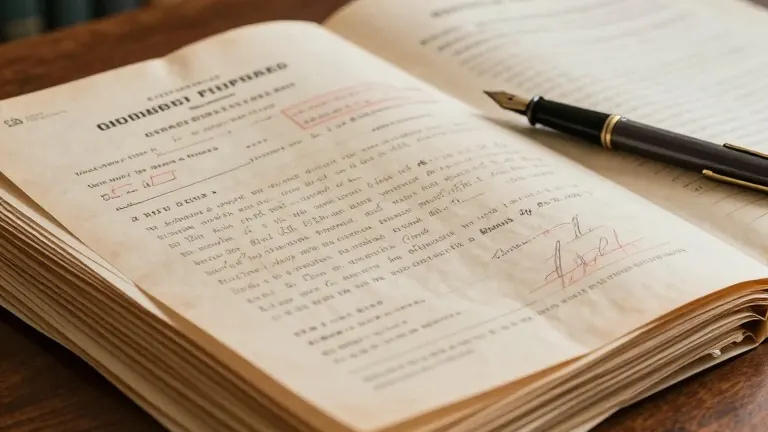
Official records from the Civil War era provide the primary evidence for these naming choices, but they contain inconsistencies. White military administrators often recorded the names of Black soldiers based on sound rather than spelling. Pension records show veterans of the United States Colored Troops explaining name changes to white investigators. These administrative errors and pronunciation differences mean that a single ancestor might appear under different surnames in military files, censuses, and family documents.
The 2020 U.S. Census data shows that other common Black surnames, including Jefferson, Charles, Jackson, Booker, and Joseph, also appear frequently across the population. These names do not indicate a single shared ancestry for every family that carries them. Instead, they reflect a mix of retained family ties, post-emancipation choices, and administrative records created in the decades following the Civil War.
Census records, marriage certificates, and military files from the post-war era began documenting identities that had previously been controlled by enslavers. However, spelling variations and name changes between the 1870 census and subsequent decades remain common. These fluctuations demonstrate that naming was often a fluid process rather than a permanent, singular decision for many families.
Source: KBFB