Apple Duo Launches With Touch ID
The first folding iPhone costs $1,999 and swaps facial recognition for a side fingerprint sensor.
By Kaito Shevchenko ·
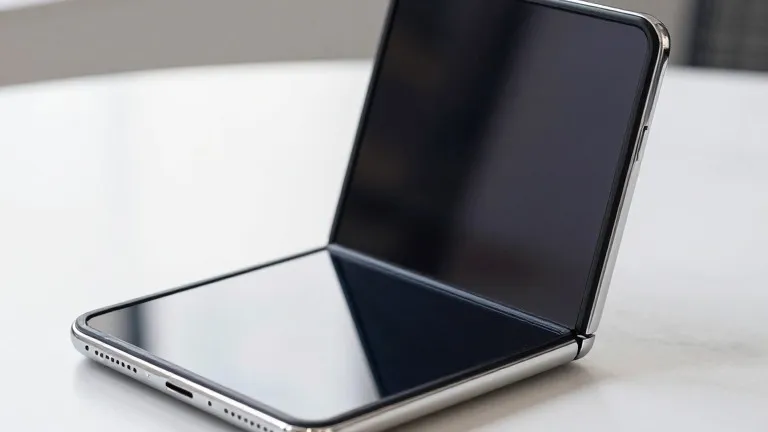
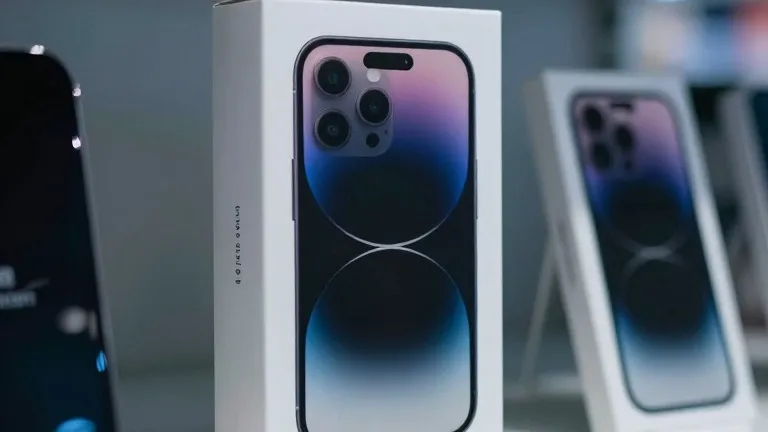
Apple released the iPhone Duo today, pricing its first folding smartphone at $1,999. The device marks a departure from recent flagship designs by replacing Face ID with a Touch ID sensor located on the right side of the frame. This change brings the fingerprint reader back to the main iPhone lineup after years of it appearing only on budget models and tablets.
The hardware arrived seven years after Samsung introduced the Galaxy Fold. Apple spent that interval refining the device internally. The result includes a 5.4-inch outer screen and a 7.6-inch inner display. The company retained the Dynamic Island, moving it to the top-right edge above the outer selfie camera. It appears in the same corner on the inner display during live activities.
Software integration is the primary challenge for early adopters. Many third-party applications have not yet been optimized for the new aspect ratio. Apps often display as narrow strips with thick black bars on the sides. Slack, Instagram, DoorDash, and WhatsApp have received updates for iOS 27.1, though some still show interface errors. Apple shifted navigation elements to the right rail instead of centering them at the bottom.
Physical accessories present specific issues. The Duo supports MagSafe, but the unfolded phone tips to one side when attached to car docks or tripods due to uneven weight. Magnetic wallets extend past the bottom edge because the device is shorter than standard iPhones. Apple offers no official solution for these alignment problems.
Camera functionality includes new controls for the dual-screen layout. A "Slide to show camera" feature moves the full camera app to the outer display, disabling the inner screen to prevent accidental touches. This is distinct from "Duo Preview," which shows the viewfinder to the subject, and "Kids Cue," which plays animations to attract a child's attention.
Maintenance costs vary by damage type. Apple states that the matte nano-texture finish on the inner screen is an integral component that should not be removed. Replacing a damaged finish costs $19 in warranty and $49 out of warranty. A cracked inner display costs $999 without AppleCare+.
Future updates will add Reachability and support for the USB-C Apple Pencil. The keyboard can already be split for typing on the wide display. The device is currently back-ordered for several weeks, giving developers time to adjust their apps before many buyers receive their phones.
Source: Wired