Arlington Data Centers: 5 to 10 Acres Required for Enterprise Hubs
City officials propose zoning rules limiting data center size, noise, and cooling methods to balance growth with residential concerns.
By Maya Sokolov ·
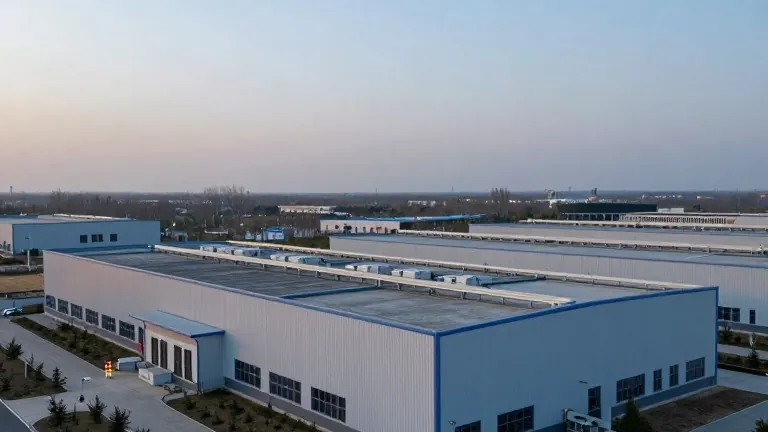
Enterprise data centers in Arlington would require 5 to 10 acres of land under proposed zoning regulations presented to the City Council on Tuesday. The new ordinances outline specific rules for three types of data facilities based on their likelihood of appearing in the city. Council members reviewed the draft rules for the first time during the meeting, following an initial presentation in late September that categorized the different types of hubs.
Land development assistant director Kenneth Bloom explained that the regulations were tailored to Arlington’s limited land availability. He identified enterprise facilities as the most probable stand-alone projects. These centers, such as the one operated by homebuilder D.R. Horton near Interstate 30, are typically owned by a single company for internal processing. Bloom noted that edge data centers, which function as small equipment boxes similar to cell tower accessories, also have a high probability of being built in the area.
The proposed rules restrict stand-alone data centers to light industrial and industrial manufacturing-zoned districts. Developers would need a specific use permit for these projects. In planned development-zoned districts, stand-alone centers are allowed only if the project is specifically identified. All stand-alone facilities must maintain a distance of at least 300 feet from homes and limit building height to 75 feet. The ordinances also prohibit the use of evaporative cooling for these larger structures.
For the smaller, equipment-box-style edge data centers, no specific cooling regulations were proposed. However, these units would be limited to a surface area of 200 square feet and a maximum height of 12 feet. Co-located data centers, which operate as accessories in multi-tenant buildings, have moderate chances of coming to Arlington. These accessory-designated centers would be allowed in any nonresidential zoning, provided they are tied to the building’s primary use. They would be prohibited from using evaporative cooling and outdoor diesel backup generators, though battery energy storage systems might be permitted depending on size.
Council member Brittney Garcia-Dumas asked how the ordinances were crafted and stated her preference for locating data centers as far away from residents as possible. Bloom said the rules were developed based on research and ordinances from other cities and states. He described the process as a work in progress, noting that technology changes daily. Garcia-Dumas expressed support for the proposed noise modeling requirements, which would mandate testing before and after construction to monitor daytime and nighttime levels. She cited the need to protect residents' quality of life while pursuing the city's economic future.
The city documents indicate that enterprise and stand-alone data centers must comply with these noise limits. The council has not yet voted on the final ordinances, but the current drafts provide a framework for how these facilities would integrate into Arlington’s existing industrial and commercial zones. The proposed standards aim to address specific operational details, from power generation to physical dimensions, before any permits are granted for new development.
Source: Fort Worth Report