Binnari Raid Death Toll Estimates Vary Widely as Nigeria Struggles to Secure Rural Areas
Reports from a village assault in Taraba State range from 10 confirmed deaths to claims of 40 killed, highlighting the growing danger facing remote communities.
By Kaito Shevchenko ·
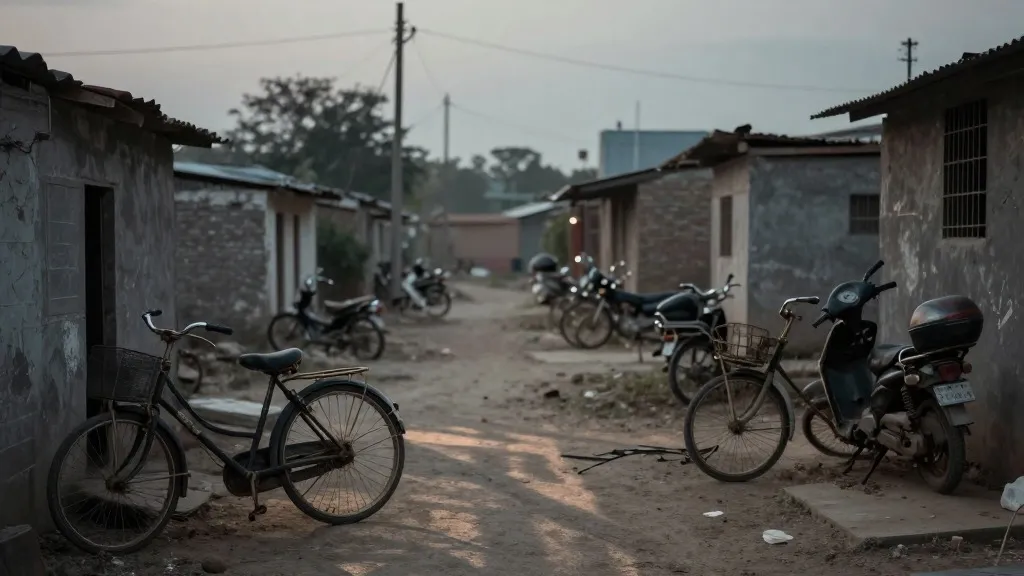
Residents of Binnari village in eastern Nigeria face rising uncertainty after an armed assault left multiple people dead and stripped local shops of supplies. Police reported on Saturday, October 24, that they recovered 10 bodies by Friday evening following an attack by a large group of gunmen traveling on motorcycles. However, the violence also resulted in the theft of food from village shops, a loss that adds economic hardship to a community already dealing with fear and grief. The raid reflects a broader pattern of insecurity in parts of the country where armed groups target rural settlements for resources, disrupting daily life for ordinary people who depend on local commerce and agriculture for their survival.
Official figures from law enforcement conflict with other accounts regarding the scale of the tragedy. Police in Taraba State stated that 10 bodies were recovered following the assault on Friday evening. In contrast, survivors speaking to the AFP news agency said they counted more than 20 bodies after the attackers departed. Human rights organization Amnesty International issued a statement on Saturday claiming 40 people were killed, noting that while police initially confirmed 10 deaths, authorities located more bodies later that day. This discrepancy in reporting creates confusion about the full extent of the incident and complicates efforts to understand the immediate impact on the village population.
Residents described a coordinated raid involving a significant number of fighters. Malam Abubakar Saifullahi, a community leader, reported that assailants arrived on approximately 50 motorcycles, with two men on each vehicle. After opening fire, the attackers proceeded to loot shops, taking cash, food, and provisions. They also seized motorcycles that residents had abandoned while fleeing the violence. Resident Sa'idu Nuhu stated, "After the attackers left, we counted more than 20 bodies, and some people were still missing," while another resident, Isiyaku Musa, also estimated the toll at no fewer than 20. The theft of supplies and vehicles suggests a calculated effort to strip the community of resources necessary for survival and mobility.
The attack in Taraba State fits into a larger context of insecurity involving criminal gangs operating across Nigeria. Banditry has become a growing problem in the northwest and central regions, where powerful gangs frequently clash with police and military forces in remote areas that are difficult to access. Taraba, situated in the central-eastern part of the country, faces threats from groups driven by financial gain rather than ideology. These gangs raid villages, kidnap people for ransom, and demand payments from farmers or miners in regions where the state has little presence. Amnesty International criticized the authorities, stating that they "continue to leave rural communities in some parts of the north at the mercy of gunmen that are repeatedly committing atrocities with impunity," highlighting a perceived failure to protect vulnerable populations.
The government continues to manage multiple security threats, including the armed rebellion that began with the 2009 uprising by Boko Haram. On the same Saturday, October 24, the Nigerian military announced an air strike in the northeastern state of Borno that killed 15 individuals identified as terrorists. The country faces a complex security environment, balancing efforts to suppress extremist groups with the need to address rising banditry. As authorities investigate the assault on Binnari and the conflicting death tolls, the incident underscores the ongoing challenge of securing rural communities against repeated violence.
Source: Al Jazeera