Flávio Bolsonaro leads Brazil run-off after 33 million voters abstain in first round
Industrial decline in Osasco and rising household debt have shifted support from Lula to the right-wing candidate, with record abstention rates marking the October 25 vote.
By Maya Sokolov ·
Flávio Bolsonaro holds the lead entering the presidential run-off in Brazil after winning the first round on October 25. The candidate secured the national victory despite a historic 33 million Brazilians abstaining from the ballot, a figure that marks the highest non-vote rate since 1998. The result forces a decision on Sunday between Bolsonaro and incumbent President Luiz Inácio Lula da Silva.
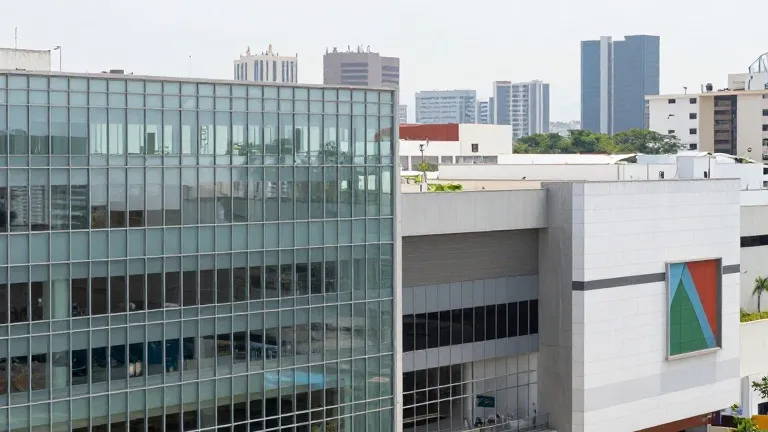
The voting patterns reflect a structural change in the Brazilian labor market. In Osasco, a suburb of São Paulo previously known as an industrial hub, factory floors have been replaced by shopping malls and delivery app headquarters. Gilberto Almazan, a metalworkers' union leader in Osasco, noted that the disappearance of metal, chemical, and textile factories coincided with the construction of five new malls. He described the shift toward gig economy work as "Uber-isation," arguing that these workers prioritize flexibility over the collective welfare model Lula champions.
Richard Lapper, a biographer of both presidential candidates, characterized the economic environment as a crisis of expectations. Although unemployment reached a record low and Brazil was removed from the UN's Hunger Map under Lula, high interest rates and household debt have eroded consumer confidence. Robson, a 53-year-old civil servant in Osasco who previously supported Lula, cited heavy tax burdens as a factor in his switch to Bolsonaro. Tairine, a hot dog seller who had historically abstained, also plans to vote for the right-wing candidate, stating that conditions have not improved since Lula's return.
Bolsonaro’s platform proposes cuts to government spending, ministries, and specific taxes, while retaining key welfare programs from the current administration. He faces ongoing corruption accusations, which he denies. His campaign is bolstered by support from evangelical churches, which now serve approximately one-quarter of Brazilians. Pastor Silas Malafaia, currently under investigation for allegedly obstructing the coup trial of Jair Bolsonaro, stated that Flávio Bolsonaro shares the church's values regarding family and abortion.
Lula’s campaign is mobilizing large street rallies in response to the first-round results. Organizers reported that one event in São Paulo drew approximately one million attendees, a claim supported by widely shared aerial footage. The 80-year-old president is also active on social media, where he has dismissed concerns about his age by calling himself the "king of selfies." In the favela of Maré in Rio de Janeiro, where abstention rates were above average, Lula still secured a win among the poorest residents. Vitoria, an 18-year-old mother earning under £300 a month, cited the minimum wage increase and free essential medicines as reasons for her support, while expressing doubt about Bolsonaro’s plan to designate the Comando Vermelho gang as a terrorist organization.
Source: BBC News
More Business · World news · Business Complaints · Report a business · Got a Story?