Tesla Confirms Year-End Cybercab Sales Amidst Robotaxi Priorities
The electric vehicle maker has set a target to begin delivering its autonomous two-seater to private owners before the close of 2026, though the initial volume will remain modest as most units are reserved for its internal fleet.
By Maya Sokolov ·
As speculation surrounding the launch timeline for Tesla’s autonomous two-seater intensified, the company provided a concrete schedule during its latest financial review. On October 21, during the third-quarter 2026 earnings call, Tesla outlined its plans to move from internal testing to customer deliveries within the current fiscal year.
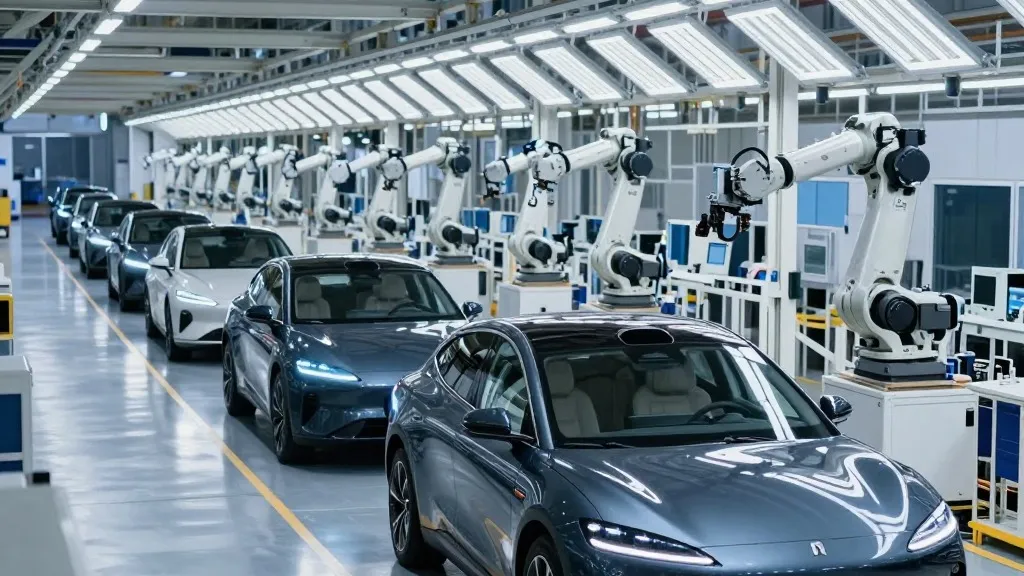
Vice President of Engineering Lars Moravy stated that the company is targeting the delivery of Cybercab units to customers before the end of 2026. He confirmed that production is currently active at the Gigafactory Texas facility. However, Moravy clarified that the vehicles rolling off the line are presently being allocated to Tesla’s own internal Robotaxi fleet rather than private buyers. This strategy ensures that the operational logistics are refined within a controlled environment before external customers take possession.
The shift toward private ownership is intended to scale gradually. Moravy explained that as the operation expands, Tesla will primarily provide fully designed autonomous vehicles to the public, with the Cybercab serving as the inaugural product in this category. The company plans to start with small delivery volumes to manage the complexities of fleet management, ownership models, and the operation of autonomous vehicles outside of Tesla’s direct control.
CEO Elon Musk reinforced the strategic positioning of the vehicle, characterizing it primarily as a "transport-as-a-service" offering. Unlike the Model 3, Model Y, or the upcoming Roadster, which are positioned as personal ownership vehicles, Musk noted that the "vast majority" of Cybercabs will remain Tesla-owned. This suggests that while individual consumers will have the option to purchase the vehicle, the core business model relies on the company maintaining control over the fleet for ride-sharing purposes.
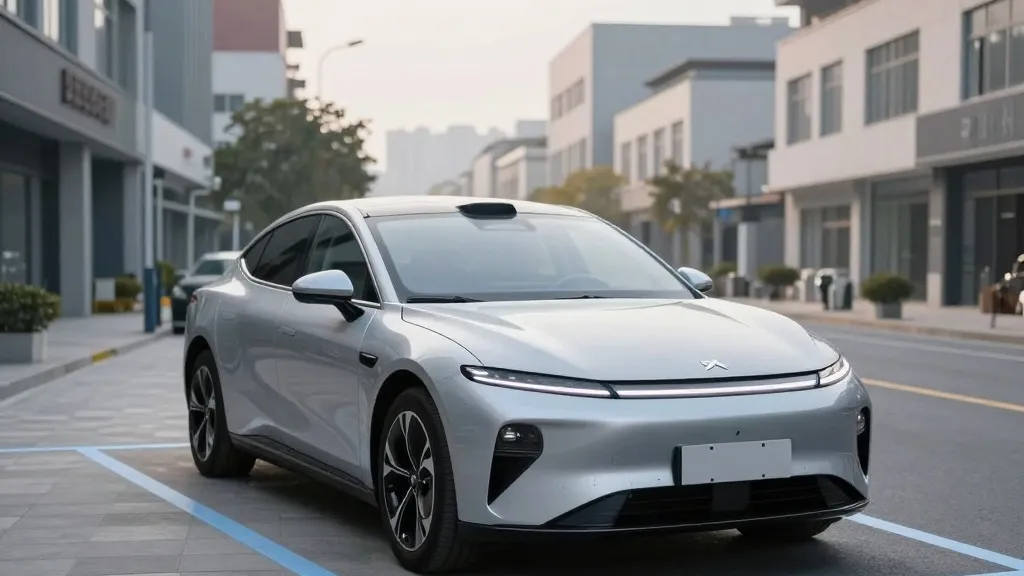
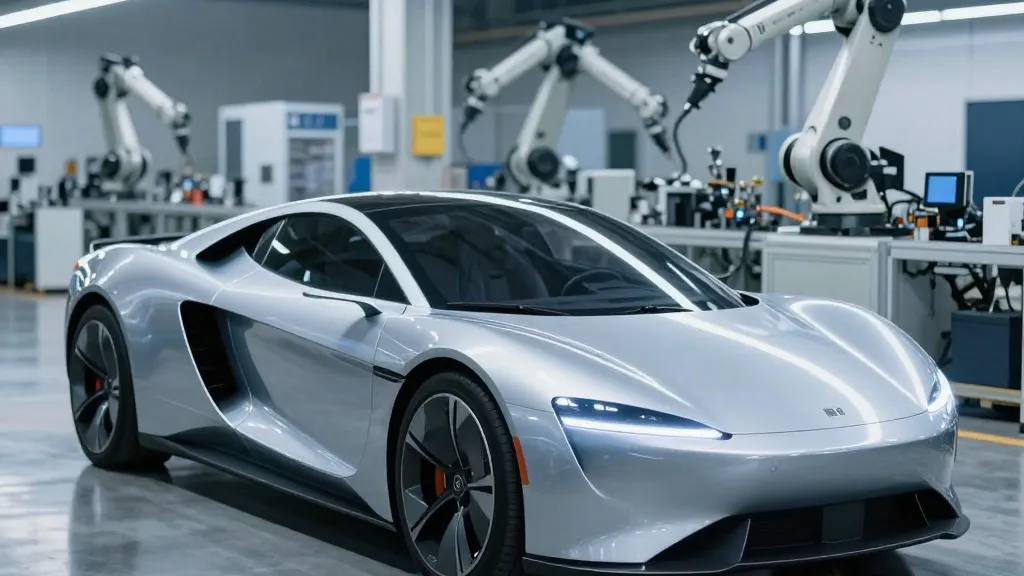
The Cybercab is a distinct two-seater vehicle that lacks traditional controls such as a steering wheel or pedals. It relies entirely on Tesla’s Full Self-Driving technology. Production of the vehicle began in February 2026, and early units were integrated into the public Robotaxi service in early September of the same year. Tesla has previously indicated a target price of approximately $30,000 for the vehicle, positioning it as an affordable entry point for autonomous transportation.
Despite the confirmed sales date, several operational hurdles remain. Ashok Elluswamy, Tesla’s Head of AI, indicated during the call that unsupervised Full Self-Driving capabilities are expected to ship to consumer cars during the second quarter of 2027. This timeline implies that early Cybercab buyers or fleet operators may face geographically restricted autonomous operation. These limitations are largely attributable to the pace of regulatory agencies, which may not be ready to approve fully unsupervised driving in all regions immediately.
The company’s approach balances the desire to monetize the new vehicle with the need for operational stability. By prioritizing its internal fleet initially, Tesla aims to resolve logistical challenges before handing keys to private customers. This phased rollout is designed to mitigate risks associated with delivering fully autonomous vehicles to the general public, ensuring that the service infrastructure can support the expanded user base.
Source: Teslarati · original report published
More Business · Business Complaints · Report a business · Got a Story?