St. Louis Veteran Returns to Work With Service Dog
A Goldendoodle named Teddy helps James Poggi manage mobility issues and regain his role as a school crossing guard.
By Maya Sokolov ·
James Poggi is preparing to return to his position as a school crossing guard in Mascoutah, Illinois, accompanied by his service dog, Teddy. The Goldendoodle assists the former Marine Corps aviation veteran with daily tasks that allow him to maintain his independence following a series of physical injuries.
Poggi served in the military and endured five back surgeries and a below-the-knee amputation. He attributed these injuries to hard landings, physical therapy accidents, a car crash, and a diagnosis of spinal meningitis during his active duty service. The combination of events left him dependent on wheelchairs and walkers for much of his daily life.
Teddy performs specific duties to support Poggi, including retrieving dropped items such as keys and cell phones. Poggi described the dog as a constant companion, noting that the animal always has his back, similar to a battle buddy. The service dog also provides emotional support, which Poggi said restored a sense of joy to his daily routine.
Teddy underwent training at Dog Training Elite St. Louis. The facility prepares dogs for real-world scenarios ranging from basic obedience to advanced service work. Matt Willis, the owner of the training center, stated that service dogs offer both physical assistance and mental health benefits for veterans. He noted that interaction with dogs causes chemical changes in the body that can alleviate the effects of trauma.
Willis explained that a private donor grant will subsidize training costs for 10 veterans or active military members. The grant covers 30% of the training expenses for each selected individual. Willis said the funding addresses gaps in the care provided by government systems for those suffering from physical and emotional trauma.
Research supports the use of canines for veteran care. A 2024 study found that service dogs are associated with lower rates of anxiety and depression among veterans with post-traumatic stress disorder. A separate 2024 survey of approximately 600 veterans indicated that about 40% had never had a PTSD service dog but expressed interest in acquiring one.
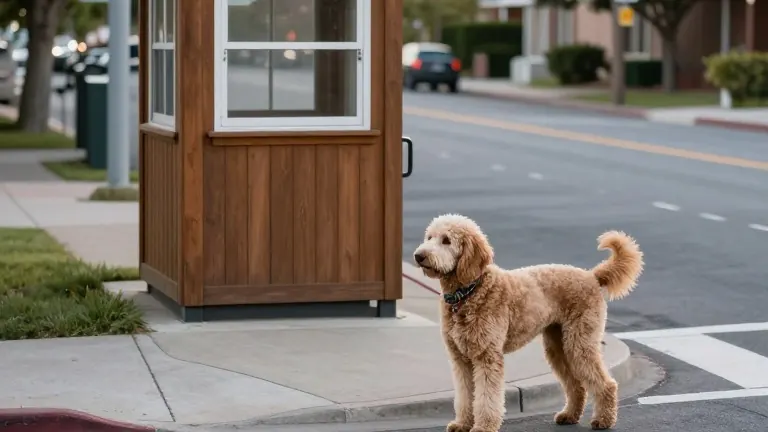
The Department of Veterans Affairs currently does not provide service dogs for mental health conditions. The agency is still studying the potential benefits of such interventions. Poggi plans to resume his full-time schedule at the school corner next school year, with Teddy stationed in a small crossing guard hut.
Source: WALA-TV