Canada hikes rates to 2.5 percent as energy costs drive inflation
The central bank raised its benchmark rate for the first time since July 2023, warning that higher energy prices could push inflation above its target range through 2027.
By Kaito Shevchenko ·
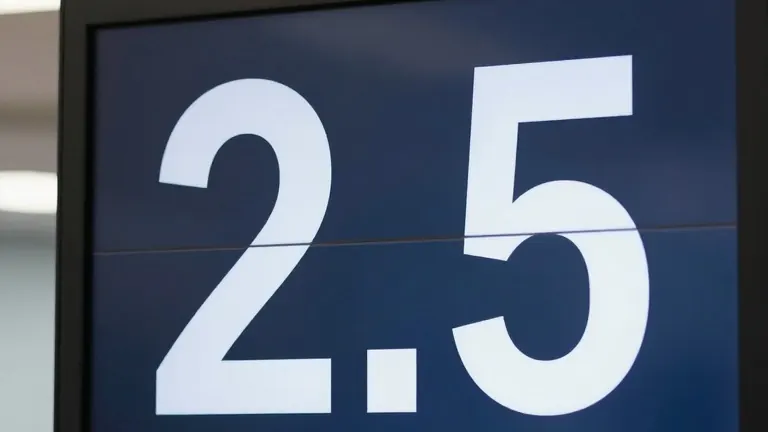
The Bank of Canada raised its key interest rate on Wednesday, marking the first increase in the country's monetary policy since July 2023. The Governing Council moved the benchmark rate up by 0.25 percentage points to 2.5 percent. The decision came as annual inflation hit 3.2 percent in September, exceeding the bank's 1 to 3 percent target range.
Governor Tiff Macklem stated that the economy is showing resilience while the outlook for inflation has risen sharply. He explained that the rate increase aims to reduce the risk that high energy prices spread into general inflation across other sectors. The bank also raised its inflation forecast for 2027 to 3.1 percent, up from the 2 percent estimate issued in July.
Macklem noted that inflation is expected to finish the year at 3.5 percent. He projected that rates will remain near 3 percent for much of 2027 before returning to the 2 percent target by mid-2028. The central bank warned that businesses are likely to pass rising costs on to consumers, which would keep inflation persistent. He cited the trade rift with the United States and the conflict in the Middle East as ongoing uncertainties.
The bank’s new monetary policy report updated its growth projections for the current and coming years. It expects economic growth to slow to 2 percent in the third quarter and further to 0.8 percent in the fourth quarter. This follows a strong 3.3 percent annualized growth rate recorded in the second quarter. The report raised its gross domestic product forecast for both 2027 and 2028 to 2 percent, up from the 1.8 percent predicted in July.
Macklem said the additional growth is expected to help absorb unused capacity in the economy. He expressed confidence that growth will pick up again in 2027 as consumer spending, exports, and business investment strengthen. The central bank indicated that there is less room for monetary accommodation due to increased risks to inflation.
Not all economists agreed that a rate hike was necessary at this time. Andrew Grantham, a senior economist at CIBC Capital Markets, argued that core inflation, which excludes volatile items, remains near 2 percent. He suggested that the policy rate may not need to rise above 2.75 percent if global energy prices ease. Critics of the hike warned that raising rates could hinder a modest economic recovery amid US trade tensions and a weak job market.
Money markets are currently pricing in another 25 basis point rate increase in January. Analysts see the benchmark rate reaching 3.25 percent by December of next year. The Bank of Canada will make its next rate decision on December 9.
Source: Al Jazeera
More Business · Business Complaints · Report a business · Got a Story?