Chip Makers Speeding Up Deliveries For Musk's New Factory
Machinery for the planned Texas plant will arrive faster to help meet an ambitious goal of late 2028.
By Maya Sokolov ·
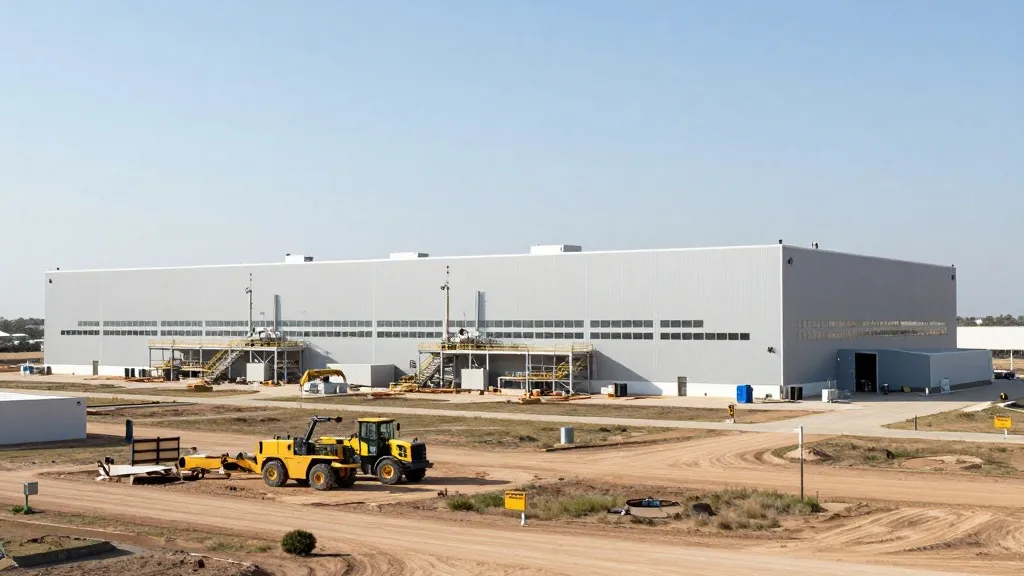
Suppliers of key manufacturing tools are moving shipments up their schedules to support a giant chip factory planned in Texas, Elon Musk said. The goal is to have the plant producing chips for sale in the final months of 2028, he added. Musk called the schedule "highly aspirational" and said it carries "big error bars." The statement was made during a broadcast of SpaceX's Q3 2026 earnings call on X, on October 20.
The project, known as Terafab, is a joint effort between Tesla and SpaceX. Its main site is located in Gibbons Creek, Texas. Musk said the timeline is tight but expressed gratitude toward equipment makers for their assistance. "These are very aggressive dates, and we're very appreciative of ASML and all of our other suppliers in accelerating equipment deliveries in order to achieve this outcome," he said. Musk serves as CEO of both companies involved in the plan. SpaceX expects to produce its first experimental test chip at an Austin, Texas, research facility around the second quarter of 2027.
The facility is designed to manufacture logic, memory, and advanced packaging components in one location. It aims to produce one terawatt of AI computing power each year. To reach this level of output, the plan calls for extreme ultraviolet lithography machines. Intel joined the venture in April 2026 to help develop fabrication technology. ASML is the sole commercial supplier of these specific systems. Other equipment providers named include Applied Materials, Lam Research, KLA Corporation, and Tokyo Electron. Talks are also underway with several South Korean equipment makers.
Once the site is fully operational, the value of its output would be significant. Musk stated that the commercial value from a single building would rank among the top 20 global country GDPs. The 20th country on that list is Switzerland. The facility is intended to supply chips for xAI clusters, self-driving vehicles, Optimus robots, and SpaceX data centers. It is also meant to serve the broader AI industry.
The plan faces questions regarding its scale. Research firm Gartner estimates total global AI-optimized data center capacity is roughly 44 GW as of late 2026. This figure represents 4.4% of Terafab's planned output. Growth in global AI computing capacity has risen roughly 3.3x to 3.4x per year since 2022, according to EpochAI.
Regarding the schedule, delivery of the first EUV tool was reportedly slated for mid-2027, according to unofficial sources. It remains unclear if this relates to the expedited timeline Musk referenced. The next steps involve securing this equipment and continuing the build-out at Gibbons Creek.
Source: Tom's Hardware · original report published