Fort Bend County Forfeits $276.5 Million in Taxes to Secure Tesla's Solar Plant
Commissioners voted 4-0 to approve a 35-year tax package for a facility that has not broken ground, with full benefits contingent on Tesla hiring 12,000 people.
By Nicholas Martin ·
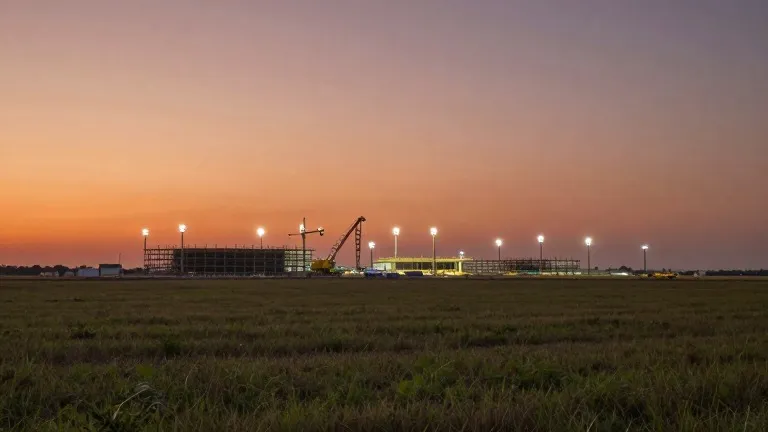
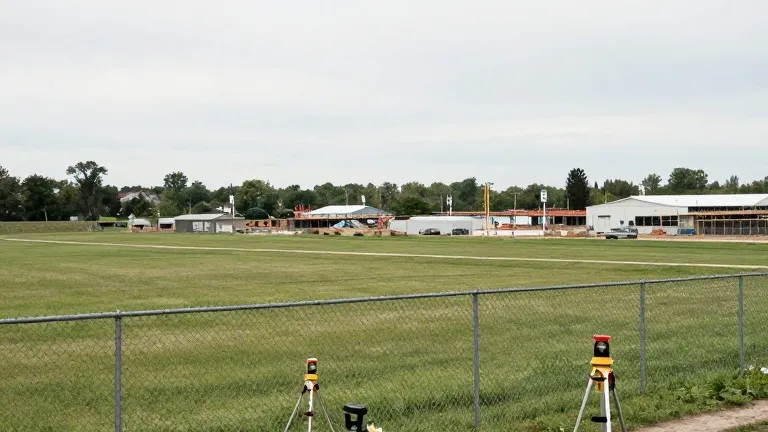
Fort Bend County commissioners voted 4-0 on Thursday to approve a four-part tax package for Tesla. The deal grants the automaker up to 35 years of relief on equipment taxes for a proposed $10 billion solar factory near Richmond, southwest of Houston. The project, designated Project Crystal Sun, has not yet received final confirmation from Tesla that it will build in Texas.
The agreements include a Chapter 312 tax abatement, a Chapter 381 incentive deal, and two foreign trade zone contracts. For the first ten tax years, the county waives 100% of property taxes on equipment and tangible personal property. The start year defaults to 2029 but can be delayed until 2031 without further approval. Tesla’s filing splits the $10.1 billion investment into $1.52 billion for real property and $8.6 billion for personal property. Land and buildings remain fully taxable.
After the initial abatement period ends, Tesla will pay county taxes on its equipment. The county then returns 90% of that amount as an annual grant for 20 years, keeping the remaining 10% for its general fund. If Tesla averages at least 12,000 employees for two consecutive years within the first decade, the first five years of the rebate become a 100% grant. The rebate period also extends to 25 years, stretching the total deal to 35 years. The 12,000-employee threshold is 2,288 higher than the 9,712 jobs Tesla says it will create.
To keep the benefits, Tesla must begin construction by June 30, 2027. It must start regular commercial production of solar cells by December 31, 2030. The company must invest $10 billion by the later of the end of 2021 or two years after production begins. Jobs are scheduled to ramp from 2,500 to 9,712 by the fourth year, with an average wage of $55 per hour. Tesla retains the full abatement if it reaches 90% of the employment target, or about 8,741 people.
Penalties for missing targets are limited. If Tesla misses a jobs or wage target for one year, it loses only that year’s break. Two straight misses allow the county to terminate the agreement. Full recapture of abated taxes applies only to material defaults, such as missing the $10 billion investment or abandoning the plant for 12 months. The county’s guaranteed minimum return is $2 million a year.
Tesla’s consultant, Kroll, estimated in the JETI filing that the project would pay $276.5 million in Fort Bend general taxes over 38 years without incentives. That figure peaks at $16.2 million in 2030. The application notes that the Fort Bend site is not competitive with an unnamed state site that lacks similar local abatements. The competing state’s name is redacted from the documents.
Tesla cites Elon Musk’s January remarks at Davos, where he said Tesla and SpaceX are working toward 100 GW a year of US solar manufacturing. By comparison, Qcells is spending $2.5 billion on a similar campus in Cartersville, Georgia, where a 3.5 GW cell line began production this year. New York spent $950 million on Tesla’s Buffalo factory, which later used other work to meet job requirements.
Fort Bend economic development director Carlos Guzman told ABC13 the county would have been eliminated from consideration without these agreements. Interim County Judge Daniel Wong abstained from the vote because his engineering firm has worked with Tesla. The state must still approve the school-tax portion of the deal.
Commercial production is targeted for the first quarter of 2029. The Lamar school district approved a 10-year school property tax limitation in September. The documents provide no specific production capacity figures for the new facility.
Source: Electrek
More Business · Tech news · Business Complaints · Report a business · Got a Story?