Fuel bills rise $144 a month as Treasury lowers growth outlook
Oil prices hit US$113, forcing a cut in economic projections ahead of the December budget.
By Maya Sokolov ·
Australian households face a sharp rise in fuel costs while the government prepares to lower its economic forecasts. The combination of higher petrol prices and a weakening outlook creates a difficult position for Treasurer Jim Chalmers.
The global benchmark oil price reached US$113 per barrel overnight. This level is close to the nearly US$120 peak seen in April. The spike is driven by a widening conflict in the Middle East involving the United States, Israel, and Iran.
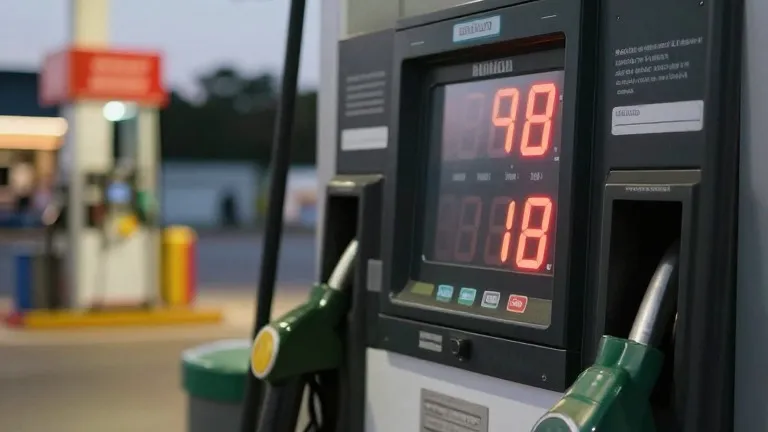
The cost impact on consumers is immediate. Australian motorists now pay 60 cents more per litre than they did before the attacks on Iran. For a driver filling a 60-litre tank, this adds $36 to the cost of petrol. A family that refuels weekly now spends $144 more per month compared to February.
Treasury officials are adjusting their projections for the December mid-year budget update. The revised forecasts will show slower economic growth and higher unemployment. Chalmers acknowledged this shift in a speech on Friday. He noted that the government is managing a budget while dealing with external pressures that are difficult to control.
The risk of further escalation remains high. The New York Times reported that the US and Israel have drawn up plans to resume attacks on Iran after the American midterm elections. Westpac analysts outlined a scenario where oil prices could reach US$150. This potential spike aligns with warnings issued earlier this month by the International Monetary Fund regarding inflation and interest rates.
The Reserve Bank faces its own challenges. Governor Andrew Hauser described the current mix of high inflation, low growth, and rising unemployment as a central banker's nightmare. A fifth rate rise is possible on 3 November. This decision comes as investors grow uneasy about the debt levels of companies building artificial intelligence infrastructure.
Chalmers told Politico that the pressures on people are substantial. He stated that the government is hostage to decisions made in Washington, Tehran, and Eastern Europe. These foreign conflicts push up inflation and weigh on global growth. Domestic factors also complicate the picture, as high government spending works against the fight against inflation while productivity growth remains low.
The government has limited options to ease the burden. A temporary cut to the fuel excise would lower petrol prices but reduce the government's ability to manage debt. Alternatively, large spending cuts in the December update could help the central bank but would further weaken an already fragile economy. Chalmers must choose between these paths, knowing that fixing one problem often worsens another.
Source: The Guardian
More Business · World news · Business Complaints · Report a business · Got a Story?