Intel Gets One-Year Pass to Keep Japanese Factory Robots Running
The FCC issued a waiver allowing the chipmaker to operate unclassified automated guided vehicles in US plants for 365 days.
By Kaito Shevchenko ·
The Federal Communications Commission approved Intel's request for a one-year waiver on October 22. The exemption permits the company to continue operating specific foreign-made machines in its American semiconductor facilities. This decision resolves a regulatory ambiguity that threatened the operations of the chipmaker's US plants.
Intel filed the request "out of an abundance of caution." The company sought clarity on whether its equipment fell under the FCC's recent ban on certain foreign-made robots. By securing the waiver, Intel ensures it can maintain its current logistics operations without fear of violating new restrictions during the coming year.
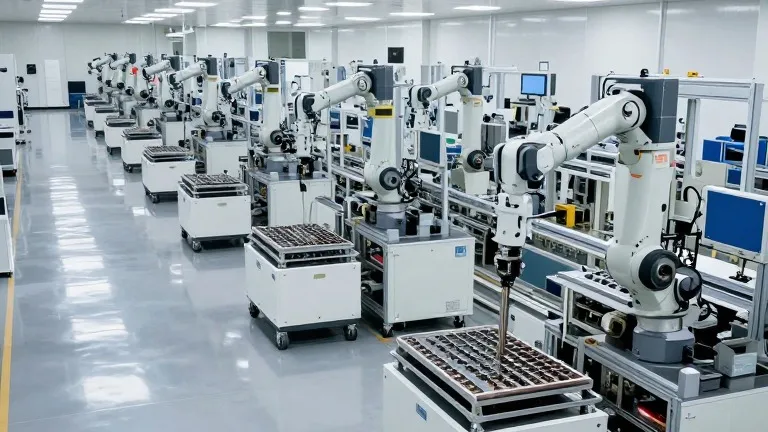
The devices at issue are automated guided vehicles, or AUVs. These machines travel on tracks or predefined paths and frequently require operator oversight. They are used to transport materials and items across factory floors and warehouses. According to Bloomberg News, such vehicles are typically manufactured by Japanese firms including Murata Machinery and Daifuku Co.
The specific models Intel uses were listed in a confidential appendix to the waiver application. As a result, the public record does not specify the exact machines involved. The general FCC ban targets new mobile robot models, a category that includes humanoid robots and robot vacuums. Previously authorized robots can still be imported, but the rules limit major modifications to these existing devices.
Intel stated in its filing that it was "unclear" whether its robotic vehicles qualified as robots covered by the ban. The company requested relief to protect its operations in case the rules were interpreted to include its industrial equipment. This uncertainty prompted the formal exemption request despite the company's existing operational status.
The waiver extends to maintenance activities. Intel received approval to make certain hardware, software, and firmware changes to the vehicles. These modifications are intended to ensure the machines remain functional and can be properly maintained throughout the waiver period. The agency's order allows Intel to proceed with these technical updates for the next 365 days.
The ruling highlights how rules designed for consumer and humanoid robots can create questions for industrial users. Even a major US chip manufacturer found it necessary to seek a formal exemption to confirm its fabs could keep operating. The waiver provides Intel with a defined timeframe to manage its equipment under the current regulatory framework.
Source: Ars Technica