Israeli Opposition Divides: Eisenkot Proposes Minority Cabinet
Gadi Eisenkot seeks to govern with 58 seats, but Naftali Bennett and Avigdor Liberman demand a full Zionist majority of 61.
By Nicholas Martin ·
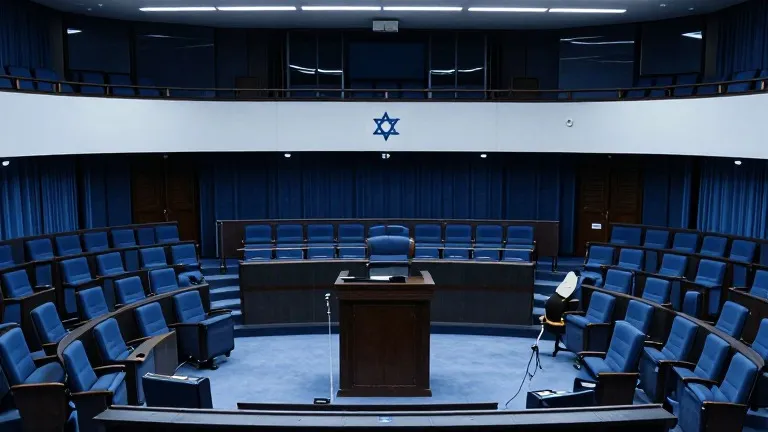
Israeli voters face a potential shift in government structure as the anti-Netanyahu bloc debates its path to power. Gadi Eisenkot advocates for a minority government that could take office with as few as 58 seats, a move that would allow the coalition to govern without the traditional 61-seat majority.
The central conflict lies in the definition of a workable government. Eisenkot, who aims to lead the bloc, argues that a confidence vote requires a majority rather than 61 affirmative votes. He believes abstentions from other parties could enable his cabinet to be sworn in, after which the government would seek to expand its support. This approach directly opposes the positions of Naftali Bennett and Avigdor Liberman.
Bennett, who heads the Beyachad list with Yair Lapid, insists on a government composed entirely of Zionist parties. He refuses to rely on the votes or abstentions of Arab parties, such as Ra'am, to form or sustain the cabinet. Liberman is even more rigid, rejecting the concept of a minority government entirely. He states that another election is preferable to a coalition that does not meet his criteria for a Zionist majority from the outset.
Despite their disagreements, the opposition parties are coordinating on parliamentary strategy. They are nearing an agreement to replace Knesset Speaker Amir Ohana before a final coalition deal is reached. This move would allow the opposition to control the legislative agenda, even if Netanyahu remains as head of a caretaker government. Candidates for the speakership include Chili Tropper, Matan Kahana, and Elazar Stern from Eisenkot's faction, alongside Meirav Ben-Ari, Eitan Ginzburg, Efrat Rayten, and Oded Forer from rival lists.
The bloc also plans to introduce several legislative measures. These include establishing a state commission of inquiry into the events of October 7, modifying conscription laws, and limiting the tenure of the prime minister. Liberman specifically wants to bar individuals facing criminal charges from serving as prime minister. However, no binding agreement exists yet on the order of these bills or the specific details of their implementation.
Legal experts note that while a minority government can be formed with abstentions, removing a sitting government requires a constructive vote of no confidence backed by 61 MKs. This distinction means Eisenkot's plan could help install a new leader but would not easily remove Netanyahu if he remains in office. Leadership rivalries also persist, with Bennett viewing himself as the natural candidate due to his previous experience as prime minister, while Eisenkot seeks to lead the largest party in the bloc.
Source: The Jerusalem Post
More Politics · World news · Report a business · Got a Story?