Sorenson: Small Ponds Bring Aquatic Life to South Austin Yards
An Austin writer details how simple water features using native plants and rainwater collection support local wildlife, noting that Round Rock offers rebates for such systems.
By Nicholas Martin ·
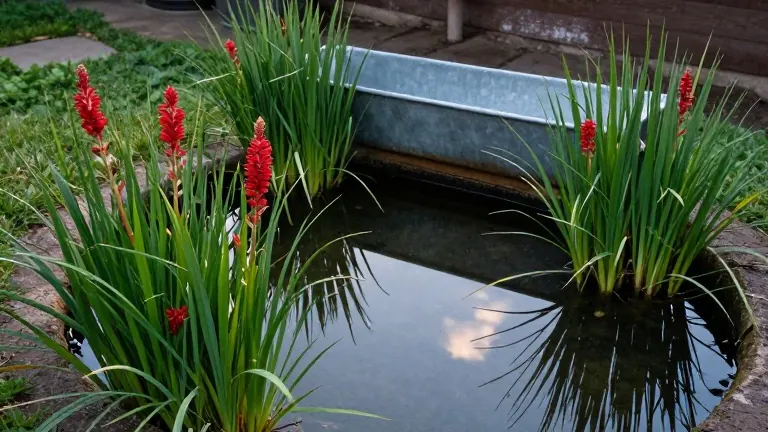
The core challenge for homeowners trying to support local wildlife is balancing conservation efforts with the perceived complexity of adding water to a garden. Claire Sorenson, an Austin chapter representative for the Native Plant Society of Texas, argues that simple backyard ponds offer an accessible solution to habitat loss for aquatic species. In a piece for the Fall 2026 issue of Texas Native Plants magazine, she describes how adding a small pond to her south Austin property resulted in the immediate arrival of fauna that had previously gone unnoticed.
Sorenson notes that many residents avoid water features because they appear difficult to maintain, but she advocates for a minimal approach. The basic components include a container, such as a metal livestock trough or plastic tub, and water free of chlorine. She recommends using collected rainwater or letting tap water sit for 24 hours to dissipate chlorine, which is toxic to the aquatic life the pond attracts. The system is planted with native species like cardinal flower, pickerelweed, and water willow, which provide structure and oxygenation without the need for mechanical filters.
Mosquito control is a primary concern for many potential pond owners. Sorenson suggests using hardware store dunks rather than mosquito fish if the goal is to support amphibians. While mosquito fish eat larvae, they also consume amphibian eggs and tadpoles. Dunks target only mosquito larvae and require monthly application. To help toads and frogs enter and exit the water safely, she advises stacking rocks to create a ramp. Toad eggs hatch within 24 to 48 hours, and the resulting tadpoles develop legs and leave the pond in about 20 to 30 days.
The wildlife response to Sorenson’s pond was rapid. Birds such as house finches and robins visited first to drink and bathe. Within days, Gulf Coast toads appeared on the patio. Their mating calls were heard at night, followed by the discovery of egg strings in the water. Tadpoles emerged 24 hours later. She also observed dragonfly larvae and adults hovering near the water. This succession of species occurred within weeks of moving the ponds to her current location.
Sorenson details a rainwater collection setup that powers the pond. The system connects 3-inch PVC pipes from gutter downspouts to barrels, using a small pump or gravity to move water to the garden. Filter baskets at the top of the downspouts and tanks prevent debris from clogging the lines. This method avoids the need for aerators, as the plants oxygenate the water, and it manages algae naturally through shading as the vegetation grows.
For residents in the Round Rock area, the city offers a rebate for water customers who install rainwater collection systems. Sorenson points to local nurseries like Hill Country Water Gardens near Austin and Green Star Wetland Plant Farm near Houston as sources for the necessary native plants. The goal is to make water features a standard part of residential landscapes, providing essential habitat for aquatic species that are often overlooked in urban planning.
Source: City of Round Rock
More Business · Business Complaints · Report a business · Got a Story?