Turkey Unveils Carbon Trading and Battery Plans Ahead of November Climate Summit
Rising attacks on shipping routes in the Strait of Hormuz have intensified Ankara's push for renewable infrastructure before the UN climate conference begins in Antalya.
By Maya Sokolov ·
Turkey is accelerating its shift toward renewable energy infrastructure as disruptions in global shipping routes increase pressure on energy-importing economies. The country prepares to host the United Nations climate summit, Cop31, in Antalya from 9 to 20 November. Ankara aims to present a comprehensive package of green initiatives to international delegates.
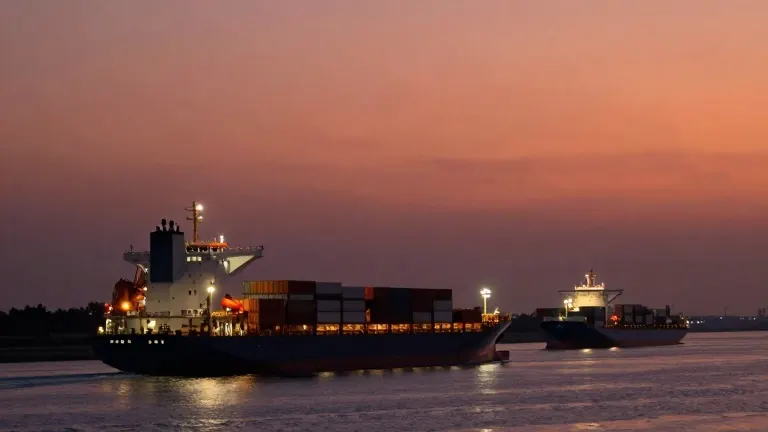
The urgency of these plans coincides with a spike in maritime security threats. The Washington Institute for Near East Policy recorded 28 confirmed and reported attacks on commercial shipping during October. This marks the worst month on record for incidents in the Strait of Hormuz and surrounding waterways. Since the war between the US, Israel, and Iran began on 28 February, 113 attacks have been documented.
The International Maritime Organisation reports that 120 incidents in the region have impacted approximately 20,000 seafarers, port workers, and offshore staff. The Strait of Hormuz serves as a critical corridor for oil and liquefied natural gas shipments. Instability in this area directly affects the energy security of nations that rely on imported fuels.
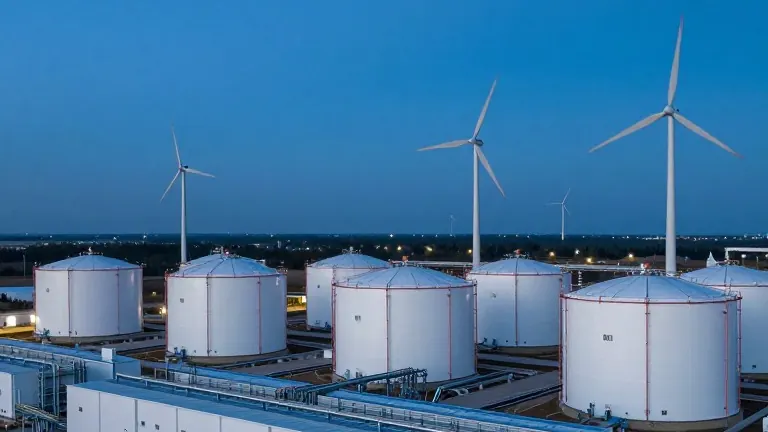
Ankara is responding by expanding its domestic capacity for clean power generation. The Energy Exchange Istanbul, known as Epias, reported that Turkey's installed electricity capacity reached 127.3 gigawatts as of 10 October. Renewable sources currently account for 62 percent of this total. Taha Meli Arvas, the chief executive of Epias, stated that the next major step involves increasing battery storage capacity. He noted that this storage will help renewable energy function as a baseload power source.
Turkey is also launching a national emissions trading system to prepare industries for stricter environmental regulations. The system will allow covered companies to trade allowances linked to greenhouse gas emissions. A pilot phase is set for 2026 and 2027. During the 2026 monitoring year, participating companies must report their emissions but are not yet required to surrender allowances. The price mechanism will activate in 2027.
Mustafa Aydin, deputy general director for environmental and minerals markets at Epias, explained that industries can use revenues from this system to fund their energy transitions. This domestic framework also helps Turkish manufacturers prepare for the European Union's Carbon Border Adjustment Mechanism. Exporters who cannot provide reliable emissions data may face higher compliance costs when selling to European markets. Epias is assisting domestic companies in understanding these new requirements.
The country's preparations extend to maritime and waste management sectors. In Tuzla, the company Navtek has deployed four zero-emissions battery-powered harbour tugboats to reduce exhaust emissions in ports. The Zero Waste Foundation, established in 2023, is promoting initiatives focused on food waste and resource efficiency. Samed Agirbas, the foundation's president, is developing an Istanbul platform to link zero-waste projects with financing. Additionally, a buoy and mooring initiative in the Fethiye-Gocek protected area aims to protect seagrass meadows and habitats for sea turtles and Mediterranean monk seals.
The upcoming summit provides a forum for Ankara to outline these renewable energy, emissions trading, and coastal conservation plans. The goal is to demonstrate that Turkey's preparations can result in measurable changes in energy use and industrial emissions. As shipping threats continue, the integration of climate transition and energy resilience remains a central focus for Turkish policymakers.
Source: Middle East Eye
More Business · Business Complaints · Report a business · Got a Story?