SpaceX rejects three military contracts as Starship fueling needs soar
The aerospace giant turned down US Space Force offers, while a new NASA safety panel estimate suggests lunar missions may require up to 22 refueling stops.
By Nicholas Martin ·
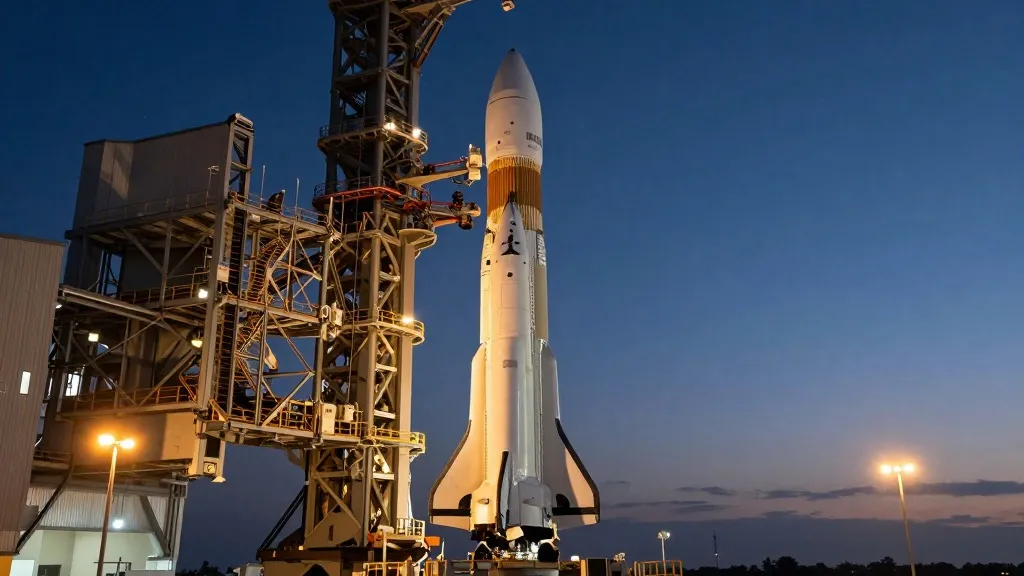
SpaceX has indicated that up to 22 refueling operations might be necessary to support a lunar landing, according to a recent assessment by a NASA safety panel. This significant figure highlights the complex logistical challenges facing the Starship program as it moves toward its primary goal of transporting crew and cargo to the moon. The estimate underscores the scale of the propellant transfer technology required for such a mission, a critical component of the company's long-term space exploration strategy.
In a separate development that caught many in the industry by surprise on Thursday, SpaceX declined three launch contracts offered by the US Space Force. The company communicated its decision to the military branch, effectively saying thank you, but no thank you, regarding the specific military launch opportunities. This rejection marks a notable moment in the relationship between the private sector and the US military regarding space access, as SpaceX has historically been a primary provider for national security launches.
While US news dominated the headlines, international rocket development continues to advance steadily. PLD Space, a Spanish aerospace company, reported that its Miura 5 rocket is nearing final integration for its inaugural flight. The small-lift vehicle is currently scheduled to launch before mid-2027. This milestone follows a period of rigorous testing and manufacturing for the company, which has produced three units of the rocket to date.
Raúl Torres, the CEO of PLD Space, stated in an update on October 19 that two of the three manufactured vehicles are designed to qualify key system elements. He noted that building all three vehicles allowed the engineering teams to work continuously across different production and integration stages. This approach enabled the company to apply lessons learned from each qualification campaign directly to the final launch vehicle, ensuring a more robust development process.
Currently, one Miura 5 second stage is fully integrated and has begun system-level testing under representative operating conditions. This stage is located at the company’s test facility in Teruel, where it is undergoing a qualification campaign. The testing schedule includes a wet dress rehearsal and a static hot-fire test, which are critical steps to validate the rocket's performance before it attempts to reach orbit.
On the North American startup scene, Reaction Dynamics is seeking to raise $350 million to expand its operations significantly. The Canadian company aims to grow its staff from 68 to more than 350 people with the new funding. Reaction Dynamics is developing the Aurora rocket, a small-lift vehicle that the company hopes will reach orbit in 2028. Additionally, the firm has announced plans to develop a medium-lift rocket named Borealis, with a debut targeted for 2031.
These developments highlight a busy week in the aerospace sector, with major players navigating complex technical and business decisions. From the fueling requirements of giant lunar rockets to the strategic choices of established launch providers and the growth of emerging startups, the industry continues to evolve rapidly. Stakeholders are closely watching how these decisions will impact the pace and cost of access to space in the coming years.
Source: Ars Technica · original report published