
Sudan's Fuel Crunch: $11 Daily Costs Cut Driver Earnings in Half
Minibus drivers in Port Sudan now spend two days working and one waiting for fuel, while a 40% fare hike by the transport union squeezes commuters and traders across the country.
By Kaito Shevchenko ·
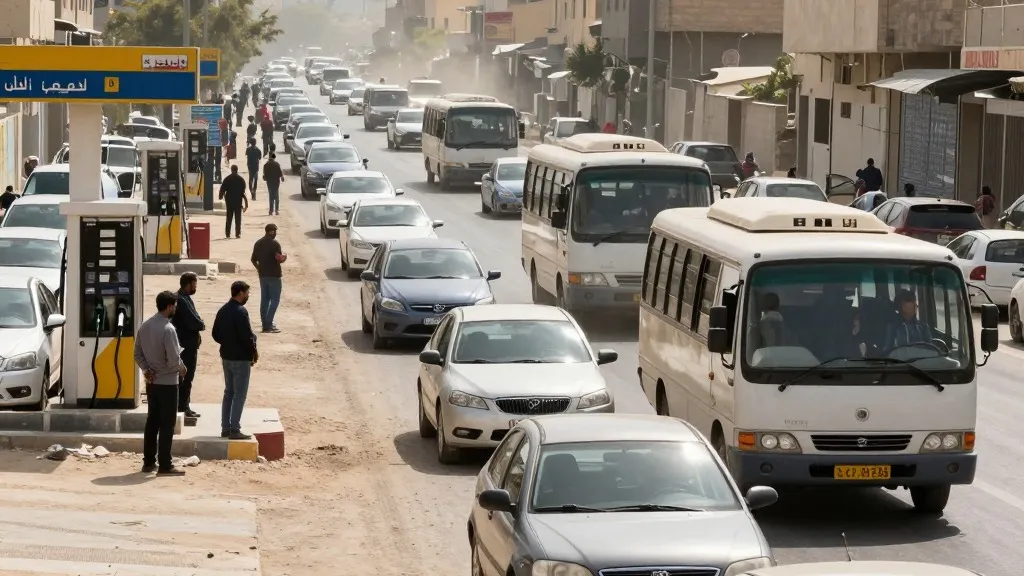
A minibus driver in Port Sudan burns 11 litres of petrol every day, costing him 105,000 Sudanese pounds. At the current parallel-market rate of $11.30, this fuel bill consumes a large portion of his daily revenue before he even starts earning.
Azhari Mohamed, 60, operates a vehicle carrying eight passengers between the Shagar neighbourhood and the city centre. He typically completes seven round trips between 6 am and 9 pm. However, the scarcity of petrol has forced him to alter his schedule. He now works for two days and spends the third day waiting in line to fill his tank. A single queue can extend beyond five hours, and if the station runs dry before his turn arrives, he must rejoin the line at the back.
The shortage has driven prices up across the country. In Port Sudan, a gallon of petrol costs 35,000 pounds, or $3.80, while in Gazira State south of Khartoum, the price is 40,000 pounds, or $4.30. After paying for fuel, Mohamed retains approximately 50,000 pounds, or $5.40, per day to support his wife and a daughter in university. "We just need fuel to be available so we can work," he said.
Passengers are bearing the brunt of the rising costs. This month, Sudan's Transport Chambers Union, which oversees public and private transport, increased intercity bus fares by 40% and minibus fares by 30%. For Aziza Ibrahim, a 38-year-old cleaner in Port Sudan, the trip to the main city-centre station once cost 700 pounds. That fare now ranges from 2,000 to 2,500 pounds depending on the route. She spends 11,000 pounds, or $1.18, daily on round trips.
Transport expenses now account for nearly half of Ibrahim's 400,000-pound monthly salary, which stands at $43. She has reduced her work schedule to three days a week to manage the travel costs and the expense of her diabetes treatment. On days when she cannot afford the fare, she borrows money from colleagues to get to work, repaying them when her salary arrives.
The squeeze extends to the commercial sector. Ahmed al-Haj, a trader in Omdurman, said the cost of moving a tonne of goods has risen by 30% to 50%. Local deliveries that previously cost 5,000 pounds now range from 10,000 to 12,000 pounds. He noted that power cuts force him to use fuel-powered generators, adding to his daily expenses. Goods are piling up at his premises because transport workers are making fewer trips.
The United Nations Development Programme reports that the war has pushed average incomes in Sudan back to levels last seen in the 1990s. The conflict between the Sudanese Armed Forces and the Rapid Support Forces began in April 2023. Last year, the Ministry of Energy and Petroleum estimated war-related losses at $20 billion. The World Bank stated that attacks on the Balila oil field disrupted supplies to the Khartoum refinery, which previously met 60% of national demand for petrol and liquefied petroleum gas. Economic analyst Sidi Ohaj said government rules requiring importers to deposit 200kg of gold have reduced supply relative to demand.
Source: Al Jazeera