Tesla Commences High-Volume Production of Optimus Robots at Fremont Facility
The automaker has begun manufacturing production-grade humanoid robots on a dedicated line, aiming for initial deliveries to external partners by late 2027.
By Maya Sokolov ·
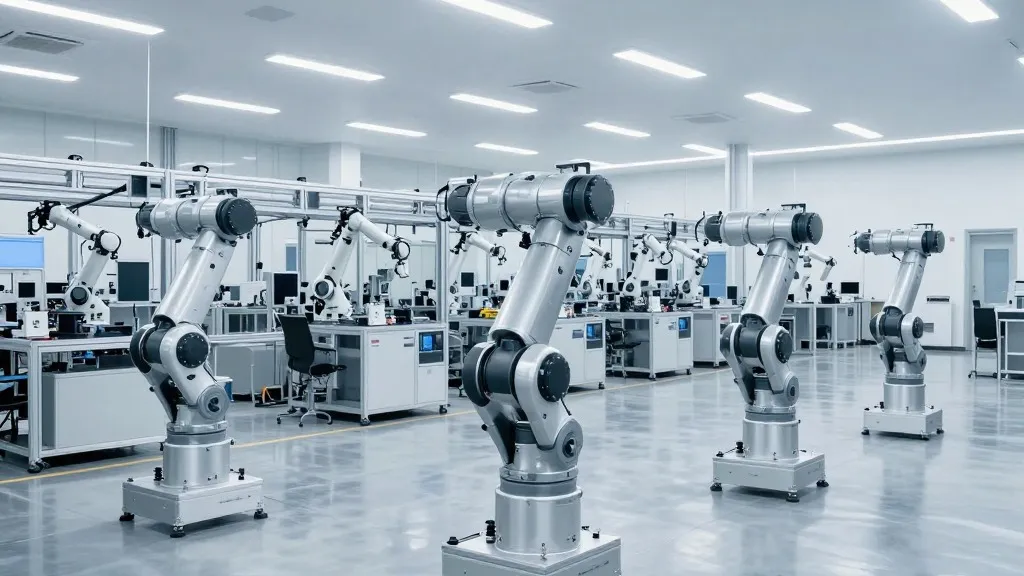
Tesla has initiated the manufacture of its Optimus humanoid robots on a high-volume assembly line located within its Fremont factory. The company states that these units represent the first to meet the quality standards required for a commercial product. This development marks a significant step toward the eventual delivery of robots to outside businesses for roles that are dangerous, repetitive, or require around-the-clock operation.
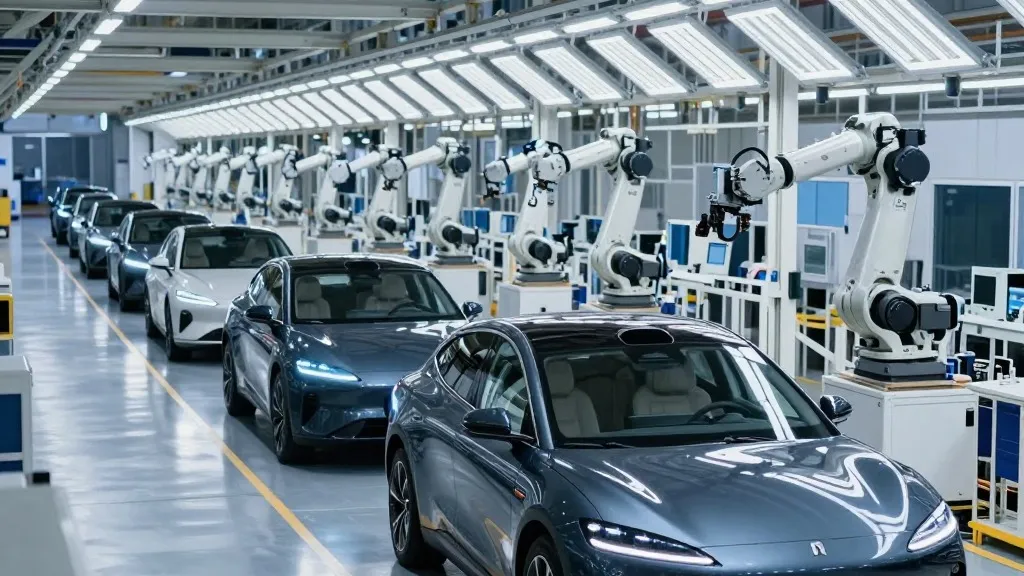
The new production line occupies space previously used for the Model S and Model X vehicles. Tesla cleared the old car assembly area in 46 days to accommodate robot production. The facility is designed with a long-term capacity of one million units per year. According to the company’s third quarter shareholder letter, the current manufacturing process has been proven suitable for commercial output.
Elon Musk addressed the production ramp-up during a recent earnings call. He described the growth trajectory as a classic S curve, noting that the initial phase involves a shallow slope. Most of the equipment required for the target capacity is already installed in Fremont. Output is expected to climb toward approximately 20,000 robots per week as the line reaches full operation. Musk anticipates that refinements to the robot’s artificial intelligence, electromechanical design, and reliability will be completed by the end of next year.
A central challenge in developing Optimus is the lack of a large fleet to generate training data, unlike Tesla’s automotive network. To solve this, the company is establishing an Optimus Academy. This initiative will utilize between 10,000 and 20,000 robots to practice a wide variety of tasks. The data collected from these units will be used to train the next generation of the robot’s AI. Every robot produced on the Fremont line will contribute to this learning process.
Hardware improvements are also planned for the coming year. Tesla intends to integrate its AI5 chip into the Optimus platform. Musk indicated that a new video demonstrating the robot performing tasks driven by artificial intelligence, rather than preprogrammed motions, will be released within one or two months. He distinguished these efforts from rival humanoid demonstrations that rely on scripted routines, arguing that such methods would not withstand real-world conditions.
The supply chain for the program is expanding. In September, Tesla certified Tuopu, Joyson, and Sanhua as mass production partners for Optimus components. Construction is also underway on a larger dedicated factory at Giga Texas. Drone footage indicates that the steel frame of this facility is nearing completion. Musk has set a long-term production target for this new plant at 10 million robots annually. Engineers are currently focusing heavily on the robot’s hands, which remain the most difficult component to design. Production costs are trending toward the manufacturing cost expected for the Cybercab, indicating that the robot is engineered for volume from the start.
Source: Teslarati · original report published