UN vote on Cuba embargo faces louder U.S. pushback
A public clash between diplomats in New York preceded the General Assembly vote, as Washington threatens military action and tightens economic pressure on the island.
By Kaito Shevchenko ·
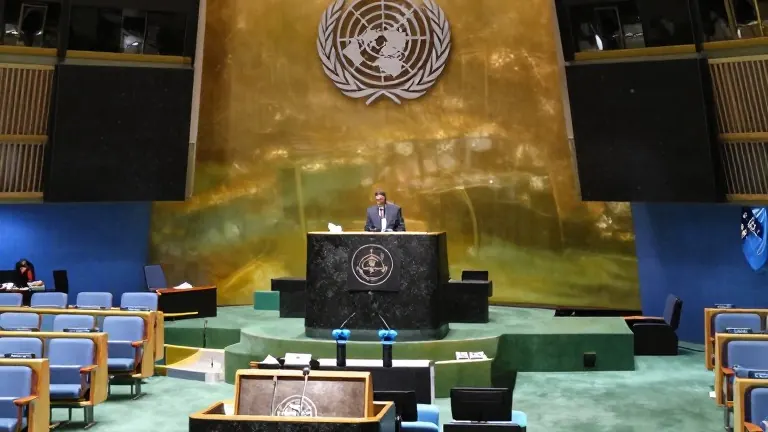
The United Nations General Assembly will vote Wednesday on a resolution condemning the U.S. embargo on Cuba. The measure has passed with overwhelming support for 34 consecutive years. Last year, 165 nations voted in favor, seven opposed, and 12 abstained.
The Trump administration is actively trying to shift that outcome. Officials are seeking to increase the number of countries opposing or abstaining from the vote. Western allies are key targets for this diplomatic pressure. Although the resolution is not legally binding, it serves as a formal record of international opinion.
Tensions have moved from backroom negotiations to the main floor of the U.N. On Tuesday, U.S. Ambassador Mike Waltz and Cuban Foreign Minister Bruno Rodríguez engaged in a shouting match during debate. Rodríguez walked to the podium while Waltz was speaking. He called Waltz a liar and sought a point of order from the session chair.
Waltz responded by telling Rodríguez to leave the podium. “This individual needs to back away from this podium. He’s not going to intimidate me in the United States of America,” Waltz said. U.N. security staff attempted to separate the two men. Waltz added, “You understand who you’re dealing with? This is America. Back up.”
Rodríguez posted on X that the U.S. was using “crude lies” to justify economic aggression. He noted that the exchange took place at the U.N., not a White House meeting. A similar confrontation occurred a week earlier outside a U.S.-hosted panel featuring Cuban dissidents and former prisoners.
The diplomatic friction coincides with a deepening financial crisis in Cuba. In late January, Trump announced tariffs on nations selling oil to the island. This move has effectively cut off fuel supplies. The shortage has caused widespread power outages that disrupt cooking, water supply, and internet services.
President Trump recently threatened military intervention. He stated that U.S. warships could stop in Cuba on their way back from the Iran war. The current U.S. campaign to undermine the Cuban government marks a sharp departure from traditional diplomatic decorum at the U.N.
Source: KSAT-TV