22 refuels: NASA panel flags high cost for Starship lunar mission
SpaceX also passed on three US military contracts while Spain's PLD Space targets a Miura 5 launch before mid-2027.
By Maya Sokolov ·
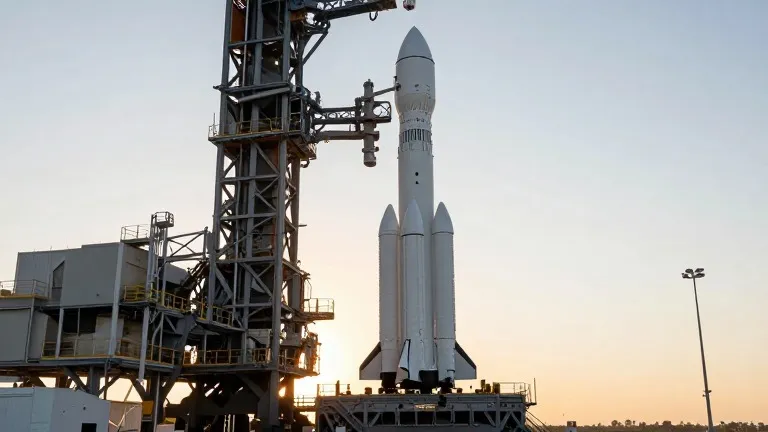
A NASA safety panel stated that SpaceX’s Starship vehicle may require up to 22 refueling operations to support a lunar landing. This figure represents the upper limit of the mission architecture’s demands, according to the panel’s recent assessment.
The refueling estimate arrived on October 23, the same day SpaceX declined three military launch contracts offered by the US Space Force. The company reportedly communicated its decision to the military branch, citing a standard refusal of the specific offers presented.
These two developments marked the primary updates involving the company in the latest industry report. The military rejection stands as a notable shift in how the firm is currently allocating its launch capacity.
Meanwhile, Spanish launch provider PLD Space reported that its Miura 5 rocket is nearing final integration. The company aims to conduct the vehicle’s inaugural flight before mid-2027. Aviation Week noted that one of the three Miura 5 vehicles built is currently undergoing final assembly steps.
PLD Space CEO Raúl Torres explained on October 19 that the production of all three vehicles allowed staff to work continuously across different production stages. He stated that lessons learned from qualification campaigns were applied directly to the launch vehicle during this process.
One Miura 5 second stage is fully integrated and is located at the PLD facility in Teruel. Technicians are preparing to begin system-level testing under representative operating conditions. This qualification campaign includes a wet dress rehearsal and a static hot-fire test.
In Canada, startup Reaction Dynamics announced it seeks to raise $350 million to expand operations. The company currently employs 68 people and plans to grow its workforce to more than 350. Reaction Dynamics is developing the Aurora small-lift rocket, which it targets for orbital flight in 2028, and the Borealis medium-lift vehicle, targeted for a 2031 debut.
Source: Ars Technica