Polls predict 68% turnout for Israeli Palestinians on Tuesday
Voters in the Galilee and Negev cite fear of displacement and a spike in violent crime as primary reasons to break with past boycott traditions.
By Kaito Shevchenko ·

Voters in Israel's Palestinian communities head to the polls on Tuesday with expectations of a sharp increase in participation. Analysts project that turnout could reach 68 percent, up from the 54 percent recorded in the 2022 election. Some observers believe the figure may climb to 72 percent or higher. Ameer Fakhoury, an analyst at the Vanleer Institute, stated that the vote is driven by a desire to prevent displacement and protect basic existence. He noted that this motivation reflects a lack of confidence in state institutions rather than confidence in the democratic system.
The current government holds significant power over the region. Benjamin Netanyahu returned to office in 2022 with the support of allies Bezalel Smotrich and Itamar Ben Gvir. Smotrich’s Religious Zionism party has campaigned on a platform to Judaise the Galilee and Negev. Ben Gvir’s Jewish Power party and Amcha Yisrael, a new far-right group led by a former general, also include displacement plans in their campaigns. Jowan Safadi, a musician who has historically boycotted Israeli elections, said the far right has done more to persuade voters than the Arab parties. He described the government's rhetoric as effectively campaigning for the Arab electoral lists.
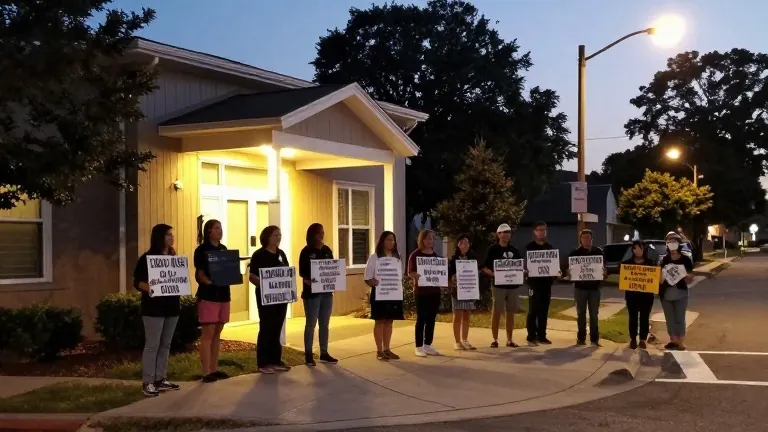
Ibrahim Said, a 70-year-old citizen in the Galilee, has voted in Israeli elections only once since 1980. He said he feels like a twentieth-class citizen. He described the disappearance of security on every level as the reason for his change in stance. In the northern town of Umm al-Fahm, teacher Maha Mohammed expressed fear when walking in mixed Arab-Jewish areas. She noted that women in her community prioritize safety for their families and neighbors above other political concerns.
Violent crime has become a central issue for voters. Last year, there were 252 homicides in Palestinian communities in Israel. In the first half of 2026, police recorded 147 killings. The police solved only 12 percent of those cases this year. Adham, a mechanic in northern Israel, said he does not allow his two adult sons to stay out past 10 p.m. He will vote for Raam, a socially conservative party that has sought to attract voters by promising concrete benefits. Yoav Segalovich, a former police major-general known for tackling crime in Arab communities, is running on Raam’s list this year.
The Joint List and Raam are expected to secure around 15 of the 120 seats in the Knesset. This would match the all-time high set in 2020. Sources from the Joint List indicated that the parties are spending less money on campaigning than in previous years. They attribute this to the high likelihood that voters will turn out due to the intense rhetoric from the far right. Fakhoury stated that government ministers center their political activity on humiliating citizens and attacking their existence.
Safadi said he remains apprehensive about the outcome. He believes the alternatives could be worse than the current leadership. He noted that the entire arrangement is unfair because only the 2.1 million Palestinian citizens of Israel can participate in legislative elections. This group represents 20 percent of the country’s official population. He said the electoral process provides a democratic facade that allows Israel to claim status as a democracy.
Source: Middle East Eye